low FODMAP meal plan: A Practical Guide for Real Weekday Cooking
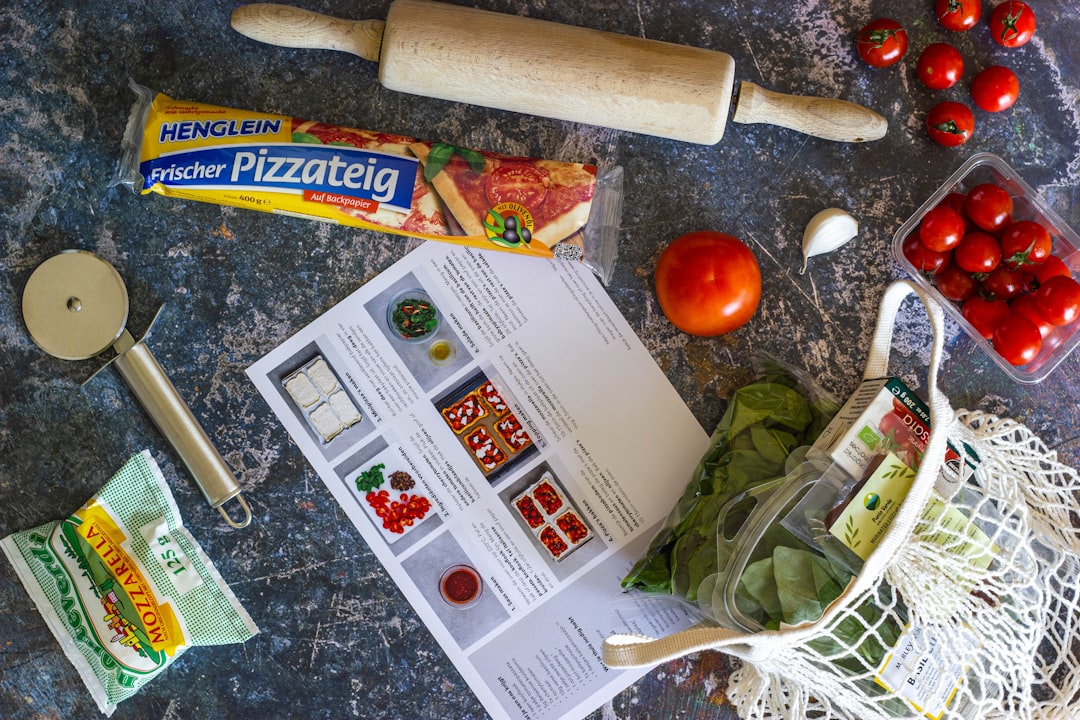
A low FODMAP meal plan sounds complicated until I stop trying to make it perfect. What actually helps me is a simple weekly rhythm that keeps breakfast, lunch, dinner, and snacks from turning into a series of last-minute decisions. I built this approach because I wanted fewer surprises in the kitchen and more energy for the rest of the day. I also wanted something I could repeat without feeling like I was starting from zero every Monday.
I keep notes on healthycookinghub.com, and I use those notes to build a week that feels calm, practical, and realistic. The goal is not a spotless kitchen or a flawless food log. The goal is a routine that makes shopping shorter, cooking easier, and the fridge a little less chaotic when life gets busy.
That is why I think of meal planning as a support system. It works best when it gives me a structure I can live with, not a script I have to obey. Once I stopped aiming for perfection, I started building weeks that actually fit my schedule, my budget, and the way I like to eat.
What a low FODMAP meal plan is really for
When people first look at this style of eating, they often start with a huge list of foods they think they can and cannot use. That approach makes the whole process feel heavy. I get better results when I think about the plan as a way to reduce decision fatigue. The plan is there so I do not have to renegotiate every meal at the exact moment I am hungry, tired, or already thinking about something else.
That matters because most weekday meals are not grand cooking projects. They are interruptions between work, errands, family logistics, and whatever else the day throws at me. A useful plan gives those meals a shape. It turns the week into a repeatable pattern instead of a string of separate emergencies.
I also use the plan to keep my grocery list from ballooning. The more scattered my menu looks, the more likely I am to buy random items that do not connect to anything else. A steadier plan gives me overlap. One vegetable shows up in dinner and lunch. One starch works for breakfast and dinner. One sauce can pull three meals together. That overlap saves time and reduces waste.
There is another benefit that gets overlooked. A clear plan gives me a way to compare options before I shop. Instead of asking, “What sounds good today?”, I ask better questions.
- What can I cook once and use twice?
- Which meals need to be hot, and which can be cold?
- What do I already have on hand?
- Which ingredients work in more than one dish?
Those questions make the plan feel more practical and less abstract. They also help me notice that a meal plan does not need to be fancy to be useful. It only needs to make the week easier to manage.
How I build a low FODMAP meal plan that fits a real week
I build my week from the center outward. I do not start with ten recipes and hope they somehow fit together. I start with a few anchors I know I can repeat. Most weeks, those anchors are a breakfast, two lunch ideas, three dinner ideas, and two backup snacks. That is enough to make the grocery list clearer without turning the week into a spreadsheet.
The easiest way to think about it is ingredient first, recipe second. That sounds backwards if you are used to browsing recipes online, but it works better for real life. If I choose ingredients that overlap, I can move them around during the week depending on my schedule. Chicken might become dinner on Tuesday and lunch on Wednesday. Rice can sit in the background and support two or three meals. Spinach can go in eggs, in a bowl, or next to dinner with almost no extra effort.
I also divide my meal planning into three zones. The first zone is the nonnegotiable part of the week, like workdays with fixed hours or evenings when I know I will be tired. The second zone is the flexible part, where I can choose between two dinners or swap a lunch for leftovers. The third zone is the backup zone, which covers the night when nothing goes to plan and I need a simple meal with no fuss.
This is the comparison I use most often.
- Recipe-first planning feels exciting, but it can create a long shopping list and a lot of leftovers that do not connect.
- Ingredient-first planning feels calmer, because each item can appear more than once during the week.
- Leftovers-first planning is the most practical on busy weeks, because yesterday’s effort becomes today’s shortcut.
If I had to choose one, I would pick ingredient-first planning with a leftovers-first mindset. That gives me enough structure without locking me into one perfect path. It also gives me room to make a change when the week changes, which is usually the real test.
My kitchen staples for a calmer routine
A useful plan starts with a kitchen that already contains a few dependable building blocks. I do not mean a huge pantry or a complicated set of special products. I mean a small group of foods I trust enough to use without overthinking every time I cook. When those staples are ready, dinner feels less like a project and more like assembly.
My core list is usually simple. I keep one or two grains, a few proteins, three or four vegetables, some fruit, and a handful of flavor helpers. That may sound obvious, but the trick is choosing ingredients that actually work together. A pantry full of random items looks impressive for about five minutes. A pantry full of overlap is what makes a week easier.
Here is the kind of list I keep in rotation.
- Starches rice, oats, potatoes, quinoa, and bread or crackers that fit my routine
- Proteins eggs, chicken, fish, tofu if it works for me, and canned tuna for busy days
- Vegetables spinach, carrots, zucchini, cucumber, lettuce, peppers, and tomatoes when they fit the day
- Fruit berries, citrus, kiwi, grapes, or another easy grab-and-go option
- Flavor helpers herbs, lemon, mustard, ginger, infused oil, vinegar, and salt
I also keep a separate note for products that reduce friction. That note might include a broth I trust, a yogurt that fits my routine, or a dressing I know how to use without checking the label every time. Those items save more energy than I expected when I first started.
For me, the best pantry is not the biggest pantry. It is the one where I can open the door, scan the shelves, and see a meal taking shape without a lot of mental effort.

Breakfasts that keep the morning moving
Breakfast is where many plans quietly collapse. The morning starts fast, and if I do not already know what I am eating, I end up reaching for whatever is closest. That is rarely the outcome I want. So I keep breakfast boring on purpose. I want it to be steady, quick, and good enough that I do not need to think about it for ten minutes before coffee.
My breakfast rotation usually has three shapes. The first is a warm bowl, like oats with fruit and seeds. The second is a plate meal, like eggs, toast, and sliced vegetables. The third is a cold option, like yogurt with fruit and nuts or seeds if that works for the day. None of these needs to be clever. They only need to be easy to repeat when I am half awake.
What helps most is building breakfast around the kind of morning I actually have. On rushed days, I want a meal that can be assembled in under ten minutes. On slower days, I can make something warm and sit down for a few minutes. When I plan breakfast this way, I stop forcing one format onto every morning.
Here is the checklist I use before the week starts.
- Do I want a hot breakfast, a cold breakfast, or both?
- What can I prepare the night before?
- Which fruit do I already have?
- What protein can carry me through the morning?
- Which breakfast can become a snack if I am not very hungry?
That last question matters more than it sounds. If breakfast can also become a small snack, I waste less food and I have more flexibility. Sometimes I cook extra oats and eat the rest later. Sometimes I boil eggs and keep them ready for a second round. Simple moves like that make the morning less fragile.
When breakfast runs well, the rest of the day tends to feel less rushed. I do not need to build a perfect morning. I only need one that starts smoothly.
Lunches that survive a busy day
Lunch has a different job from dinner. Dinner can be more relaxed, but lunch has to travel well through real life. It may need to sit in a lunch bag, wait in the fridge, or hold its shape after a long morning. Because of that, I build lunch around reliability rather than excitement. If I can eat it while busy, I know it has earned a place in the rotation.
My easiest lunch formula is simple. A base, a protein, a vegetable, and a dressing or flavor layer. Rice with chicken and cucumber is one example. Quinoa with eggs and spinach is another. Potatoes with tuna and lettuce can work too. The exact combination matters less than the fact that the pieces connect easily.
I also use leftovers on purpose. If I roast vegetables at dinner, I want them to reappear in lunch. If I cook extra rice, I want it to become the base for a bowl the next day. That habit does two good things at once. It lowers waste and it lowers the number of decisions I need to make at noon.
There are a few tradeoffs I think through before packing lunch.
- Hot or cold if the day is busy, a cold lunch may be easier to carry.
- Heavier or lighter a large lunch can help on long workdays, but a lighter plate may feel better if the afternoon is slow.
- Single bowl or separate parts some meals hold up better when the pieces stay separate until eating time.
- Leftover or fresh leftovers save time, while a fresh meal can feel better on days when I need a reset.
One thing I do not do is force lunch to be complicated just because I am packing it in advance. A good lunch is one I can eat without stress. If it takes too long to assemble, it will not survive a busy week. If it is simple and reliable, it will.
Dinners that scale up or down
Dinner is where I want more comfort, but I still want the process to stay manageable. The easiest way I have found to keep dinner calm is to build meals that can stretch. If one person eats, the meal stays simple. If three people eat, the same base can still work. That is a lot easier than cooking something completely different every night.
A dinner formula that works well for me is protein plus starch plus vegetables. Chicken, rice, and zucchini is a basic version. Salmon, potatoes, and carrots is another. Eggs with roasted vegetables and toast can work on a slower night. I like this structure because it gives me room to add flavor without adding chaos. Herbs, lemon, mustard, oil, and salt do a lot of work when the base is solid.
It also helps to think in terms of cooking methods rather than recipes. A sheet pan dinner needs one kind of effort. A skillet dinner needs another. A bowl dinner needs less hands-on time but may need more planning with sauce and texture. When I choose the method first, the meal feels easier to pull off.
These are the dinner questions I use most often.
- Do I want something hot and comforting, or something lighter?
- What can cook together on one tray or in one pan?
- Which vegetable can I use twice this week?
- What can become lunch tomorrow if I make extra?
- How much energy will I have when I get to the kitchen?
That last question keeps me honest. On low-energy nights, I do not need an ambitious meal. I need a meal that fits the amount of effort I really have. Once I accepted that, dinner became much less stressful. The best dinner is often the one that leaves me with enough energy to enjoy the rest of the evening.
Snacks and drinks that keep the day steady
Snacks are small, but they carry a lot of weight in the day. If I go too long without eating, I get slower, less focused, and much more likely to grab something random later. So I keep a few snack options ready. Not a giant stash. Just enough to keep the day from feeling brittle.
The best snacks for me are the ones I can grab without opening a new project. Fruit, rice cakes with nut butter, yogurt if it fits my routine, a small portion of nuts or seeds, popcorn, or a simple sandwich all work better than something that requires a lot of prep. I also think about whether a snack needs refrigeration or can stay in a bag or desk drawer. That one detail changes how useful it is on a busy day.
Drinks matter too. I do better when water is already nearby and tea or coffee is part of a normal rhythm rather than an afterthought. If I want something with flavor, I choose it on purpose. That keeps drinks from becoming an automatic extra that crowds out the meals I planned.
Here is the snack logic I use.
- Quick snack good for the middle of a workday
- Portable snack good for commuting, errands, or travel
- More filling snack good when dinner will be late
- Sweet option good when I want a small finish after lunch
Using that structure keeps snacks from becoming random. I do not need ten snack ideas. I need a few that cover different moments in the day. That way I can keep my energy steadier without making the kitchen more complicated than it needs to be.

Reading labels without getting stuck in the store
Label reading can make grocery shopping feel exhausting. I know that feeling well. A long ingredient list can turn a simple errand into a slow, frustrating process. I handle it better when I do not try to memorize everything. I keep a short mental checklist instead. That way I can scan, decide, and move on.
My starting point is the store perimeter. Fresh produce, simple proteins, eggs, and plain starches make the cart easier to build. Then I move into packaged items only when I know what I need from them. Bread, broth, sauces, snacks, and dairy alternatives are the items I check most carefully. If I can limit those to a short list of dependable products, shopping gets much faster.
I also look for repeated ingredients on a label. When a product seems to rely on a long chain of additives and fillers, I usually pause and ask whether I really need that item. Sometimes the answer is yes. Sometimes it is easier to choose the plain version and add flavor at home. That tradeoff usually saves time later.
This is the checklist I use while shopping.
- Do I know what this food is for?
- Will I use it more than once this week?
- Can I name at least two meals that include it?
- Is there a simpler version that does the same job?
- Do I already have something at home that fills the same role?
The point is not to turn grocery shopping into a test. The point is to make the cart useful. A short, familiar list is usually better than a cart full of items I have to figure out later. The more routine the store trip becomes, the less energy it takes.
Eating out, commuting, and travel without losing your rhythm
Real life does not stay in the kitchen. There are work lunches, family dinners, road trips, and days when the food around me is decided by other people. I do not want my meal plan to fall apart the moment I leave home. So I build in a travel mindset from the start.
When I eat out, I try to look at the menu ahead of time. That gives me a minute to spot the simplest choices before I am sitting at the table and feeling rushed. A plain protein with a side I know can work is usually easier than a crowded plate with five separate elements. If there is sauce involved, I often ask for it on the side so I can keep more control over the meal.
For commuting and travel, I like to carry a few backup foods that do not need much attention. Fruit, crackers, nuts, a simple bar, or a sandwich can keep the day from spiraling if the schedule changes. That sounds basic, but it makes a huge difference when the next meal is hours away.
I also think about the social side of food. If I am with other people, I do not want to turn every meal into a long conversation. A simple plan helps me stay relaxed. It gives me a default choice, which means I can focus on the people and the day instead of scanning every plate twice.
Before I leave home, I ask myself a few things.
- What is the simplest option on the menu?
- What can I bring if the day runs long?
- Will I have a fridge, a microwave, or neither?
- Do I need food now, or just a backup for later?
That small bit of planning helps me stay steady when I am not in control of the kitchen. It also keeps the rest of the week from getting thrown off by one unpredictable meal.
How I keep the routine flexible over time
A meal plan only stays useful if it can change. My schedule changes. My energy changes. My appetite changes. If I try to force the same structure on every week, the plan starts to feel brittle. So I keep a running review instead of fixed rules. After a week ends, I note what felt easy, what felt annoying, and what I would happily repeat.
That review can be very short. Sometimes I only need a few lines in my phone. One breakfast worked well. One lunch was too much effort. One dinner made good leftovers. One snack kept me from making random choices late in the afternoon. That kind of record is enough to shape the next week without turning the process into homework.
I also pay attention to timing and portion size. A meal that feels perfect at lunch may feel too heavy at night. A snack that works at three in the afternoon may be odd at six. Those details matter because food is not separate from the schedule around it. The rhythm of the day affects how useful each meal feels.
The easiest weekly maintenance steps are the ones I can repeat without thinking too hard.
- Clear out one shelf in the fridge before shopping
- Write down the three meals I want to repeat
- Check which ingredients can overlap
- Decide on one backup meal for a low-energy night
- Keep one or two snack options ready at all times
That review keeps the system from drifting. It also reminds me that a good week is not the same as a perfect week. A good week is one where I spend less time stressed about food and more time actually living the rest of the day.
The more I keep the plan practical, the easier it is to stick with it. That is the version I keep coming back to, because it works in a real kitchen, on a real schedule, with a real amount of energy.