healthy meal prep for beginners is less about perfect recipes and more about building simple systems that make every week easier. This long-form guide shows a practical 4-week rotation, how to shop once and cook twice, how to portion and store without soggy results, and how to adapt meals to your taste and schedule. You’ll come away with checklists, examples, and a repeatable routine you can maintain.
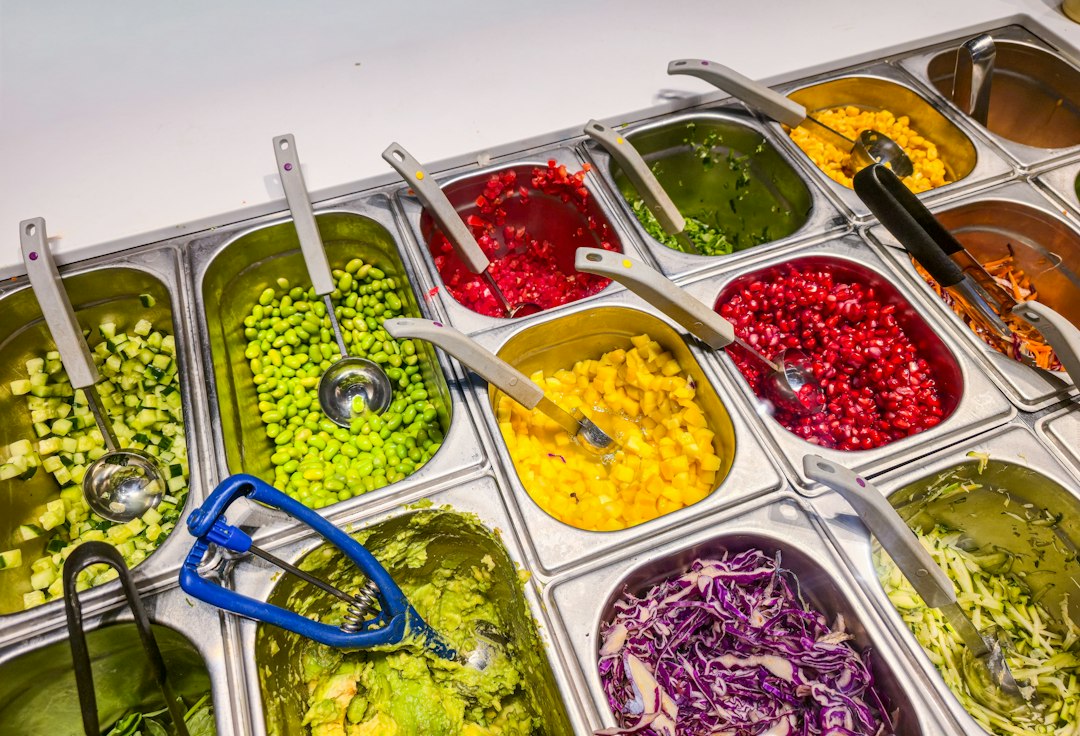
healthy meal prep for beginners: week 1 blueprint
Week 1 sets the tone. The aim is to reduce decision fatigue by preparing a few building blocks that combine in different ways throughout the week. Instead of cooking elaborate dinners every night, you’ll prepare one pot of grains, a tray or two of roasted vegetables, a pair of proteins, and two simple sauces. From those components, you can assemble bowls, wraps, salads, and simple plates that taste different even though they share parts.
Start by defining a scope you can actually keep: five lunches and three dinners is a friendly target for most households. Pick two prep sessions—a main session around 90 minutes, and a midweek touch-up around 30 minutes. Put them on your calendar like appointments. Repetition will teach you how your oven behaves, which containers you reach for, and which grocery items you actually finish. The point isn’t variety for its own sake, but a reliable rhythm you can repeat.
Here’s a sample Week 1 plan that hits the basics and stays budget-friendly:
- Proteins: roasted chicken thighs and pan-crisped chickpeas; keep eggs or canned fish as backup.
- Grains: quinoa and brown rice; cook in lightly salted water or broth for more flavor.
- Vegetables: roast-friendly options (broccoli, carrots, peppers) plus quick raw choices (spinach, cucumbers, tomatoes).
- Sauces: lemon-herb yogurt and a citrus vinaigrette for brightness.
With those parts in your fridge, lunches become easy: a cup of grain, a scoop of vegetables, a serving of protein, and a spoon of sauce. Wraps and salads are equally straightforward, and the components can be warmed or eaten cold depending on your mood and the weather. If you want more inspiration for combinations and light recipes, browse the Healthy Cooking Hub’s archive here: Healthy Recipes.
If this is your very first week, give yourself a small buffer. Buy an extra bag of salad greens or a loaf of sturdy bread so you have plan B options when the day runs long. Build confidence first; efficiency catches up quickly.
Build your kit: containers, tools, and layout
A few dependable tools and a tidy layout remove friction. You don’t need to outfit a chef’s kitchen to start; a modest, consistent setup is better than shiny gadgets you rarely use. Group items by how you work: washing and chopping near the sink, cooking tools near the stove, containers near a cooling rack.
Core tools checklist:
- Two rimmed sheet pans: for roasting vegetables, proteins, and simple sheet-pan dinners.
- Five-quart pot or Dutch oven: enough volume for grains, soups, and stews.
- Skillet: nonstick or cast iron for sautés, crisping chickpeas, and reheating leftovers.
- Sharp knives: one 8-inch chef’s knife and a paring knife; keep a honing rod handy.
- Cutting boards: one for produce and one for cooked items to keep flavors tidy.
- Measuring set and digital scale: optional but helpful for consistent results.
Container guide:
- Glass or BPA-free plastic: stack a mix of sizes; 1–2 cup for sides and 3–4 cup for full meals. Glass reheats cleanly; plastic is lighter for commutes.
- Leak-proof jars: for dressings, sauces, and overnight oats; label with painter’s tape and a fine marker.
- Freezer-safe bags: freeze soups, stews, and cooked grains flat so they thaw quickly and take up less space.
- Small topping cups: snap-lid containers for nuts, seeds, croutons, or chopped herbs—anything that adds last-minute crunch.
Layout tips that speed you up:
- Assign a prep zone next to the sink for washing and chopping. Keep a compost bowl nearby to limit trips to the trash.
- Set a cook zone by the stove and oven. Store oil, salt, pepper, and your most-used spices on a tray you can wipe clean.
- Place a cooling/packing zone near your containers. A wire rack helps hot items shed steam before packing, which keeps textures pleasant.
Finally, take five minutes after each session to tidy up your kit. Clean knives and put them back in the same spot. Stack containers with lids nearby. The easier it is to start, the more likely you are to keep the routine going.
Pantry and fridge staples that actually get used
A stable pantry turns “I should cook” into “I started cooking.” Focus on categories you’ll reach for every week and a handful of flavor boosters you genuinely enjoy. Resist stocking a dozen spices you won’t finish. Instead, maintain a core set and add one new item every week or two so your pantry grows naturally without clutter.
Core pantry categories:
- Grains: quinoa, brown rice, bulgur, couscous, oats.
- Legumes: chickpeas, lentils (green or brown), white beans.
- Canned basics: tomatoes, light coconut milk, low-sodium broth.
- Oils and acids: olive oil, neutral oil, apple cider vinegar, red wine vinegar, lemons.
- Flavor boosters: Dijon mustard, soy sauce or tamari, chili flakes, paprika, cumin, garlic powder.
- Wraps and breads: whole-grain tortillas, pitas, or hearty sliced bread.
Fridge and freezer staples:
- Proteins: eggs, tofu, cooked chicken or turkey portions, canned tuna or salmon.
- Produce: carrots, onions, greens (spinach, arugula), cucumbers, bell peppers.
- Dairy or alternatives: plain yogurt, feta, or a crumbly dairy-free option.
- Frozen: peas, corn, chopped spinach, and pre-sliced bell peppers for emergency stir-fries.
Use a small “use-next” bin in your fridge door. Anything nearing its prime goes there. When assembling lunches, check that bin first. You’ll reduce waste and keep meals varied without extra shopping. Over time, you’ll learn which items you finish and which you can skip.
Smart grocery planning: lists, swaps, and timing
Shopping with intention is half the routine. Organize your list by store section to reduce backtracking, and plan for overlapping components so family-size packs get used within the week. When prices spike or a store runs out, swap within the same food category to keep your plan intact.
Sample list for 4 dinners + 5 lunches:
- Proteins: 1.5 lb chicken thighs, 2 cans chickpeas, 1 dozen eggs, 1 block firm tofu.
- Grains: 1 lb quinoa, 1 lb brown rice, whole-grain wraps.
- Vegetables: 2 heads broccoli, 5 carrots, 2 bell peppers, 1 cucumber, 5 oz spinach, 1 red onion, 1 pint tomatoes.
- Fruit: 4 apples or seasonal fruit for snacks.
- Pantry: olive oil, canned tomatoes, broth, paprika, cumin, garlic powder, salt, pepper.
- Dairy/Alternatives: plain yogurt, feta (or a dairy-free crumbly option).
Smart swaps for price or availability:
- Chicken → turkey, tofu, or extra chickpeas.
- Quinoa → bulgur or couscous (faster cooking), or barley for a heartier base.
- Broccoli → green beans or cauliflower depending on what’s in season.
- Yogurt sauce → tahini sauce if you prefer dairy-free.
Timing tips:
- Shop once on Friday or Saturday and prep soon after. Wash greens, spin them dry, and pre-chop sturdier vegetables to save time.
- Plan one or two “flex dinners” like omelets, soup-and-salad, or quesadillas to use up odds and ends.
- Track a simple price log in your notes app for ten common items. You’ll quickly notice patterns and sales cycles.
If your week starts to shift, don’t throw out the plan. Shift it instead: freeze half the chicken on day one, move the tofu to midweek, and bump a legume-based dinner forward. The key is to keep components circulating so they meet you where your schedule actually lands.
Batch cooking workflow and safe handling
Batch cooking is the engine of your routine. The goal is to make the oven and stovetop work while you handle other tasks. Start grains, get vegetables and a protein roasting, crisp a can of chickpeas, and whisk two sauces—all within about 90 minutes. As items finish, cool them briefly and pack into labeled containers.
Batch flow template:
- Start grains: Begin quinoa and brown rice in separate pots or a rice cooker. Set timers so you don’t forget them.
- Prep vegetables: Chop carrots, broccoli, and peppers. Toss with oil, salt, and pepper, then spread on sheet pans.
- Roast protein and vegetables: Roast chicken thighs on one rack and vegetables on another at 400°F/205°C. Flip vegetables halfway for even browning.
- Crisp chickpeas: Rinse and dry chickpeas, then pan-cook with cumin, paprika, and a pinch of salt until fragrant.
- Mix sauces: Whisk lemon-herb yogurt and a citrus vinaigrette; place into jars.
- Cool and pack: Place cooked items on a rack to release steam, then portion into containers and refrigerate.
Handling and quality tips:
- Cool promptly: Let steam escape, then move to containers so textures stay pleasant once chilled.
- Label everything: Name and date your containers. You’ll know what to eat first and what can be frozen for a future week.
- Reheat thoughtfully: Add a splash of water or broth to grains before reheating to revive fluff. Cover loosely to keep moisture in.
- Keep fresh elements separate: Store greens, cucumbers, and dressings separately until serving so bowls stay vibrant.
If you’re prepping for more than one person, consider dividing components as you pack. Place three containers of quinoa up front for quick access, and put two in the back as a later-week buffer. You’re creating a small inventory system at home, which is why labeling and front-loading the items you’ll eat first pays off every time.
Protein playbook: quick, baked, and simmered options
Proteins anchor bowls and wraps. Mix quick-cook options with oven or simmered choices so you’re covered whether you have five minutes or twenty-five. Cook a little extra when your oven is already on so you can freeze portions and give your future self a break.
Quick roster:
- Eggs: Boil 6–8 at once for breakfasts and salads; keep two for midweek mini frittatas.
- Tofu: Press, cube, and roast with a soy-lime or chili-garlic glaze; or pan-sear until golden.
- Chickpeas: Pan-crisp with spices; add to wraps and bowls for texture.
- Canned fish: Mix tuna or salmon with yogurt, mustard, and lemon for a quick salad filling.
Oven and simmer ideas:
- Chicken thighs: Roast with olive oil, salt, pepper, and garlic powder; finish with lemon juice for brightness.
- Turkey meatballs: Bake on a sheet pan; freeze half for next week’s rotation.
- White beans: Simmer with canned tomatoes, garlic, and herbs for a spoonable protein that doubles as a side.
Seasoning matrix (adjust teaspoons/tablespoons to taste):
- Mediterranean: olive oil, lemon, oregano, garlic; works with chicken, chickpeas, cucumbers, and feta.
- Southwest: chili powder, cumin, lime, cilantro; pairs with rice, beans, and peppers.
- Herb-forward: parsley, dill, mustard, and yogurt; nice with quinoa, tofu, and greens.
Batch tip: When the oven’s on, cook a second tray and freeze portions in 1–2 cup containers. Keep a small freezer log so you remember what’s available. On a busy Thursday, that extra tray is the difference between a last-minute takeout and a 10-minute bowl assembled at home.
Grain and legume foundations that stay versatile
Grains and legumes are budget-friendly, forgiving, and endlessly adaptable. Cook two at a time so you always have an anchor for bowls, salads, and wraps. Season while cooking so the base never tastes bland, then finish with herbs, zest, or a drizzle of olive oil when fluffing.
Reliable staples:
- Quinoa: Rinse well to remove bitterness; cook in broth for extra flavor. Fluff with a fork and add a pinch of salt and lemon zest.
- Brown rice: Use a rice cooker for convenience; add a bay leaf or a small onion piece to the pot.
- Lentils: Green or brown varieties hold their shape in salads and bowls; season the cooking water lightly.
- Oats: Prepare overnight oats or bake a tray of oatmeal bars for breakfast; portion into jars.
Flavor builders:
- Toast dry grains in a skillet before adding liquid to deepen flavor and aroma.
- Stir in lemon zest, chopped herbs, or a teaspoon of olive oil while fluffing to keep grains moist and lively.
- Combine one grain with a legume (e.g., quinoa + chickpeas) for texture and satisfaction.
Portioning tip: Freeze cooked grains flat in bags in 1–2 cup amounts. They thaw fast and reheat with a splash of water to revive texture. If you’re shifting flavors midweek, mix in a different herb or a spoon of sauce when reheating to make yesterday’s base feel new.
Vegetables, salads, and leftover alchemy
Vegetables bring color and crunch. Roast a large batch of sturdy produce for the week and keep quick raw options for contrast. Leftover vegetables can turn into entirely different meals with small tweaks, so nothing feels repetitive.
Roast-friendly list:
- Broccoli and cauliflower: Toss florets with oil and spices; roast until browned for a nutty flavor.
- Carrots and sweet potatoes: Cut evenly so they cook at the same pace; finish with a squeeze of citrus.
- Bell peppers and onions: Add near the end if you like a bit of bite.
Raw-ready list:
- Spinach or arugula: Toss into salads or wilt into warm grains post-reheat.
- Cucumbers and tomatoes: Chop for quick salads; add olives and feta for a Mediterranean feel.
- Shredded carrots or cabbage: Keep a bag in the fridge; they stay crisp for days and add instant crunch.
Leftover flips:
- Roast veg tacos: Warm vegetables in a skillet with chili powder, tuck into wraps, and add yogurt or tahini sauce.
- Breakfast hash: Pan-crisp leftover carrots or potatoes with onion, then top with an egg or a spoon of beans.
- Soup add-ins: Stir a cup of roasted vegetables into warm broth with a handful of cooked grain.
Keep a small herb box with parsley, cilantro, dill, or scallions. Add a pinch to bowls right before eating. This tiny habit gives reheated meals a fresh edge and takes seconds when herbs are pre-rinsed and wrapped in a towel in your fridge.
Sauces and flavor systems that keep meals fresh
Two sauces per week transform repeated bases into new meals. One creamy, one bright is a reliable pattern. Build a small sauce roster and rotate weekly so nothing feels stale. Many sauces come together with pantry items in just a few minutes.
Quick ideas and ratios:
- Lemon-herb yogurt: 3/4 cup Greek yogurt, 1–2 tablespoons lemon juice, 1 tablespoon olive oil, chopped dill or parsley, pinch of salt.
- Garlic-tahini: 1/3 cup tahini, juice of 1/2 lemon, warm water to thin, 1 small clove garlic, pinch of salt.
- Citrus vinaigrette: 2 parts olive oil to 1 part orange or lemon juice, 1 teaspoon mustard, 1 teaspoon honey, salt and pepper.
- Smoky chipotle: Blend a small chipotle pepper with yogurt or mayo and lime juice.
Flavor families to rotate:
- Mediterranean: lemon, oregano, dill; complements chicken, chickpeas, cucumbers.
- Southwest: lime, cumin, chipotle; plays well with rice, beans, peppers.
- Herb-forward: parsley, dill, mustard; balances quinoa, tofu, greens.
Storage hint: Keep sauces in small jars and portion right before serving so greens and crispy elements stay lively. Label jars by flavor family so you can mix and match quickly. If a sauce thickens in the fridge, whisk in a teaspoon of water or olive oil during the week to bring it back.
The 4-week rotation: menus, prep blocks, and shopping
A four-week loop offers variety while keeping effort low. Each week follows the same structure—two proteins, two grains, three roasted vegetables, two raw vegetables, and two sauces—yet the flavors shift. The prep blocks repeat (main session plus midweek touch-up), which means less decision fatigue and fewer surprises in your calendar.
Week 1: Herb & lemon
- Proteins: roast chicken thighs; pan-crisp chickpeas.
- Grains: quinoa and brown rice.
- Vegetables: broccoli, carrots, bell peppers; spinach and cucumbers.
- Sauces: lemon-herb yogurt; classic vinaigrette.
- Meals: grain bowls with chickpeas and lemon yogurt; chicken wraps with peppers and spinach; quinoa salad with cucumbers and feta.
Week 2: Smoky & sweet
- Proteins: baked tofu with smoked paprika; boiled eggs.
- Grains: bulgur and brown rice.
- Vegetables: cauliflower, onions, sweet potatoes; tomatoes and mixed greens.
- Sauces: garlic-tahini; orange vinaigrette.
- Meals: tofu bowls with tahini; rice with roasted cauliflower and eggs; bulgur salad with tomatoes and herbs.
Week 3: Herb-garlic & lime
- Proteins: turkey meatballs; chickpeas.
- Grains: quinoa; whole-grain wraps.
- Vegetables: green beans, carrots, bell peppers; spinach and cucumbers.
- Sauces: lime-cilantro yogurt; mustard vinaigrette.
- Meals: turkey wraps with roasted peppers; quinoa bowls with chickpeas and lime yogurt; chopped salads with wraps on the side.
Week 4: Tomato & herb
- Proteins: simmered white beans; roasted chicken.
- Grains: brown rice; couscous.
- Vegetables: zucchini, onions, carrots; cucumber and tomato salad.
- Sauces: tomato-basil spoon sauce (quick simmer of canned tomatoes with garlic and basil); lemon vinaigrette.
- Meals: rice bowls with beans and tomato sauce; chicken-couscous plates with roasted zucchini; chopped salad with beans and couscous.
Daily assembly you can repeat in any week:
- Lunch bowls: 1 cup grain + 3–4 oz protein + 1–1.5 cups vegetables + 1–2 tablespoons sauce.
- Wraps: warm tortilla + thin layer of grain + greens + roasted vegetables + sliced protein + drizzle of sauce.
- Quick salads: base of tender greens + chopped cucumbers + handful of beans or lentils + lemony dressing; add leftover roast vegetables.
By Week 5, circle back to Week 1 or swap a single component (change the grain, vegetable, or sauce) while keeping the structure. Your shopping and prep will feel familiar and your meals will still taste fresh. If you want more flavor ideas for the same structure, explore: Healthy Recipes.
Portioning, storage, reheating: texture without mush
Texture is the make-or-break factor for meal prep. Portioning and storage choices impact quality as much as recipes. Use the smallest container that comfortably fits the food so there’s less air and fewer texture changes. Store crispy toppings separately until serving.
Portioning rules of thumb:
- Bowls: 1 cup cooked grain, 3–4 oz cooked protein, 1–1.5 cups vegetables, and 1–2 tablespoons sauce.
- Wraps: spread sauce first, then a thin layer of grains and vegetables, then protein; roll tight so fillings stay put.
- Salads: pack greens and crunchy vegetables together; keep cooked grains and beans separate until eating.
Storage timeline guidance:
- Refrigerator: Enjoy prepared items within a few days for best quality; move extras to the freezer while they’re fresh so you can use them next week.
- Freezer: Soups, stews, sauces, grains, and many proteins freeze and reheat well. Freeze flat in thin layers for quick thawing.
Reheating tricks:
- Add a tablespoon of water or broth to grains before microwaving to restore fluff; cover loosely.
- Refresh bowls with a handful of fresh greens, a squeeze of citrus, and a spoon of sauce after reheating.
- Toast wraps in a dry skillet for a minute for crisp edges and better aroma.
Quality cue: If something looks or smells off, skip it and use a freezer backup. Consider a simple rotation rule—eat fresh items first, save frozen items for later in the week—so nothing lingers. Keeping a small “first in, first out” mindset is enough to keep the fridge organized and appetizing.
Budget, time savers, and habit-building checklists
Meal prep is a skill that compounds. Small efficiencies add up week after week, and your grocery list stabilizes around foods you enjoy. Keep simple notes about what you finished on time, what you froze, and which flavor combinations you want again. The routine becomes simpler because you’re repeating what works.
Budget savers:
- Buy pantry staples in bulk: grains, lentils, oats, beans, and spices you use weekly.
- Choose seasonal produce and value-store basics; frozen vegetables can be a cost-smart back pocket.
- Cook larger batches of grains and sauces, freeze extra portions for future weeks.
- Repurpose leftovers into wraps, hashes, soups, or frittatas instead of buying new items.
Time savers:
- Use a shared digital shopping list and add items as soon as you notice you’re low.
- Pre-chop hardy vegetables after shopping; store in clear containers so you see what to use first.
- Stack tasks: start grains first, roast proteins and vegetables second, whisk sauces last.
- Midweek tune-up: boil eggs, wash new greens, and mix a fresh sauce in 30 minutes.
Habit-building checklist (print or copy to notes):
- Block a 90-minute prep window on your calendar.
- Verify you have containers clean and ready before shopping.
- Cook two grains and two proteins; roast one large pan of mixed vegetables.
- Label and date all containers; put fresh-cut items in the “use-next” bin.
- Plan one flexible dinner to use up leftovers near week’s end.
If you hit a rough week, narrow the scope: prep only one grain, one protein, and one sauce. It’s better to maintain a smaller routine than to pause entirely. Consistency beats intensity in meal prep, just like in most long-term habits.
When you want new ideas, return to the four-week rotation above or check the Healthy Cooking Hub’s Healthy Recipes and adapt ideas to your base components. Once you see that the building blocks are the same, you’ll notice how many different meals are just a few minutes of assembly away.
By approaching meal prep as a repeatable system, you’ll spend less time deciding and more time enjoying meals that match your tastes. Start with the simple Week 1 blueprint, keep notes, and let your four-week rotation do the heavy lifting. Over time, you’ll know exactly what to buy, what to cook, and how to pack meals you look forward to eating.