
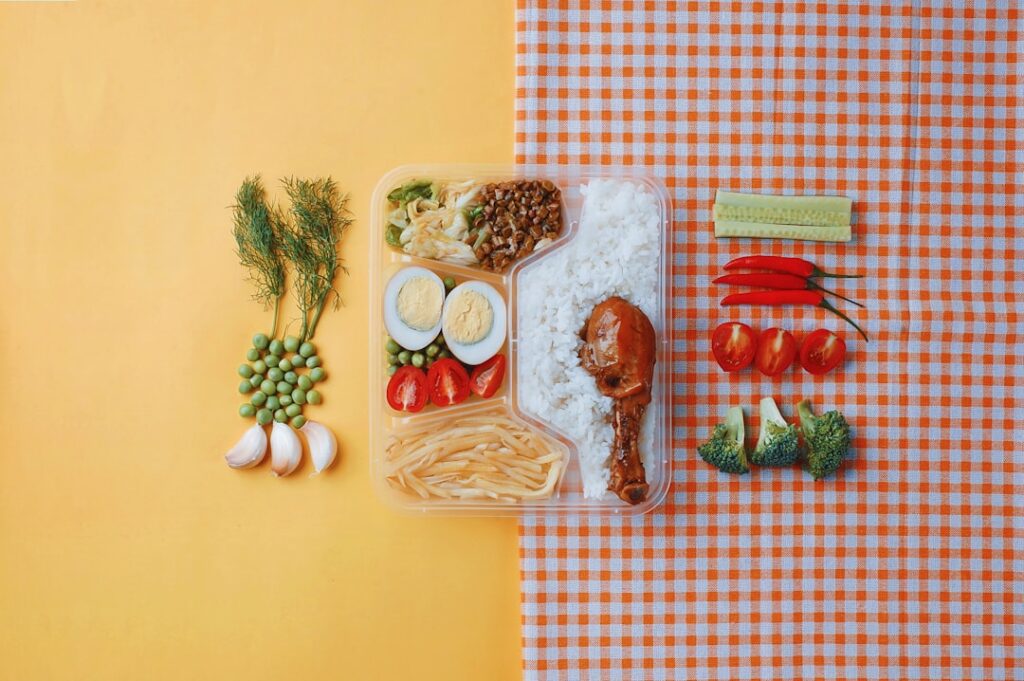
Gluten-Free Meal Prep for Beginners is simpler than it looks once you set up a few smart routines, choose reliable ingredients, and map out the week with realistic portions and time windows. This guide gives you a flexible four-week roadmap, practical shopping tips, batch-cooking ideas, storage guidance, and ready-to-use menus so you can sit down to meals that fit your needs without extra stress.
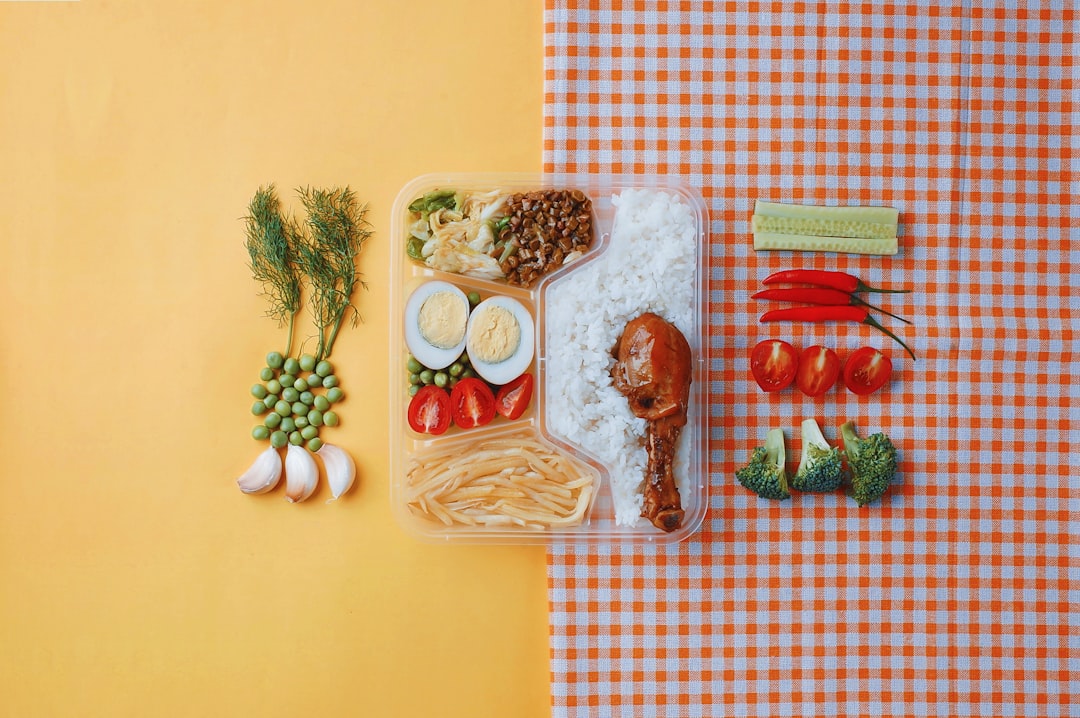

Gluten-Free Meal Prep for Beginners
Starting a new routine can feel like a puzzle: you want food that tastes good, fits your schedule, and supports your goals. The easiest way to make it work is to reduce friction at every step. Pick a small number of staple ingredients, repeat methods that you enjoy, and keep your storage setup simple. With those foundations in place, gluten-free cooking becomes less about last‑minute scrambling and more about building a calm weekly rhythm.
This article focuses on practical details: how to stock a pantry that serves multiple meals, how to read labels confidently, and which batch-cook methods save time without sacrificing variety. You’ll also find a flexible four-week plan, but think of it as a template. Mix and match it with your favorite recipes, and adjust portions to match activity levels and appetites. The goal is to equip you with a system you can trust, not a rigid schedule.
Before you begin, a quick note: this is general information intended for everyday cooking and organization. If you have specific dietary concerns, consider personalizing the plan with advice from a qualified professional who understands your full context and preferences.
Pantry and fridge staples to rely on
A reliable pantry is the backbone of any meal prep plan. For a gluten-free kitchen, that means leaning on naturally gluten-free whole foods, maintaining a short list of brand-checked items, and labeling your containers to avoid mix-ups. You do not need a giant inventory—just the right few items in the right places.
Core pantry categories to cover:
- Whole grains and starches: rice (jasmine, basmati, brown), quinoa, certified GF oats, polenta, corn grits, rice noodles, and GF pasta shapes that hold up to reheating.
- Protein shelf-stables: canned tuna or salmon, canned beans (black, cannellini, chickpeas), lentils, and shelf-stable tofu if you use it.
- Oils and acids: extra-virgin olive oil for dressings and roasting, avocado oil for high-heat searing, apple cider vinegar, rice vinegar, lemon juice.
- Flavor bases: tomato paste, crushed tomatoes, coconut milk, broths or stocks labeled gluten-free, tamari (gluten-free soy sauce), fish sauce (GF), hot sauces checked for hidden gluten ingredients, and mustard.
- Seasonings: sea salt, black pepper, smoked paprika, chili powder, garlic powder, onion powder, oregano, thyme, cumin, coriander, curry powder, and cinnamon for breakfasts.
- Baking basics: certified GF flour blend, baking powder, baking soda, cocoa powder, cornstarch, almond flour for coating and baking.
Fridge and freezer staples:
- Proteins: chicken thighs, ground turkey or beef, tempeh labeled GF, eggs, Greek-style yogurt if tolerated, and a few frozen fish fillets.
- Produce: carrots, onions, celery, bell peppers, broccoli, spinach, kale, cucumbers, sweet potatoes, berries, and frozen mixed vegetables for quick stir-fries.
- Convenience boosters: pre-washed salad greens, baby tomatoes, hummus, feta, shredded cheese, and pesto labeled gluten-free.
Label prepped items with the cook date and a simple name: “Cilantro rice — Wed” or “Roasted carrots — Sun.” This light habit pays off late in the week when you’re tired: you’ll know what to use first and what still has time. Keep a small dry-erase board or a sticky note on the fridge listing what’s cooked and what’s raw, so you can assemble meals at a glance.
Smart label reading and cross-contact basics
Brands change recipes, factories shift suppliers, and seasonal items come and go, so label reading is a recurring task. Practice a quick scan that becomes second nature: look for an explicit gluten-free claim when possible, then scan the ingredient list for wheat, barley, rye, malt, brewer’s yeast, and ambiguous “modified food starch” if not clarified as corn or potato. Be aware of may-contain statements and shared facility notes according to your comfort level.
Home kitchens benefit from small layout tweaks that reduce cross-contact risk:
- Store gluten-free flours on a separate shelf than any wheat products other household members may use.
- Use color-coded cutting boards; reserve one set for gluten-free foods.
- Wipe counters and handles before prep. A 30-second reset creates a safer workspace and a calmer mindset.
- Have a dedicated toaster or use oven methods to crisp bread or waffles labeled gluten-free.
When eating packaged foods, keep a shortlist of trusted brands in your notes app. Over time that list speeds up shopping and reduces decision fatigue. If a product changes formula, jot a reminder to re-check in a month—most changes stabilize after a short period.
Essential tools and containers that actually help
Meal prep succeeds on the strength of small, repeatable actions—having the right container available, a sheet pan clean and ready, and a sharp knife that feels good in your hand. You do not need fancy gadgets, but a few tools will shorten cooking sprints and keep food fresh longer.
Helpful basics:
- Containers: a set of glass containers with tight lids in 1-cup, 2-cup, and 4-cup sizes plus a few mason jars. Glass tolerates reheating well and makes contents visible.
- Sheet pans and racks: two rimmed sheet pans, a wire rack for crisping, and parchment to reduce sticking. Sheet‑pan cooking is the meal preppers’ best friend.
- Knives and board: an 8-inch chef’s knife, a small paring knife, and one sturdy cutting board reserved for gluten-free prep.
- Rice cooker or small multi-cooker: set-and-forget rice, quinoa, and steel-cut oats.
- Thermometer: a quick-read thermometer for reliable doneness without guessing.
Container strategy matters. Shallow containers cool food faster; tall jars are great for layered salads and overnight oats. Keep a few silicone freezer bags handy for soups and sauces—freeze them flat, then stand them up like books to save space. Add painter’s tape labels with the name and date. If you batch-cook once a week, this tiny system keeps your fridge readable at a glance.
A flexible 4-week gluten-free meal prep roadmap
Think of this four-week plan as a wheel you can spin repeatedly, not a strict program. Each week includes a prep session (about 90 minutes) plus a few 20-minute weeknight finishes. Rotate proteins and vegetables to keep variety high while keeping methods familiar. Swap in your favorites or any recipes from your collection or from the resources on Healthy Cooking Hub.
Week 1: roast-and-assemble
- Batch cook: roasted chicken thighs with lemon and herbs; sheet-pan carrots and broccoli; a pot of jasmine rice; a jar of lemon-tahini dressing.
- Meals: rice bowls with chicken, veg, and dressing; chicken salad over greens; lemony chicken tacos with corn tortillas labeled GF.
- Quick finishes: add a fried egg to a rice bowl; warm tortillas directly over a gas flame for 15 seconds each side.
Week 2: skillet and sauté
- Batch cook: ground turkey sautéed with onions, cumin, and smoked paprika; sautéed bell peppers; quinoa; pico de gallo.
- Meals: turkey-quinoa bowls with peppers and pico; stuffed sweet potatoes with turkey and feta; quinoa breakfast bowls with berries and cinnamon.
- Quick finishes: mash avocado with lime and salt; crumble tortilla chips (GF) for crunch.
Week 3: soup and bake
- Batch cook: tomato-lentil soup with coconut milk; baked salmon fillets; roasted potatoes; a cucumber-dill yogurt sauce if tolerated.
- Meals: salmon with potatoes and greens; soup with a side salad; potato-salmon hash topped with a poached egg.
- Quick finishes: add chopped olives or capers to brighten baked fish; toss greens with olive oil and vinegar in the bowl, not the jar.
Week 4: stir-fry and noodles
- Batch cook: chicken breast or tofu cubes marinated in tamari and ginger; par-cooked rice noodles; mixed stir-fry vegetables; sesame-lime dressing.
- Meals: noodle bowls with marinated protein and veg; stir-fried rice with leftover rice and vegetables; lettuce cups with chopped chicken and sesame dressing.
- Quick finishes: toast sesame seeds in a dry skillet; slice scallions thin for freshness at serving time.
Use the same rhythm each week: one pot of grains or starch, one or two proteins, two vegetables, and at least one sauce or dressing that ties it all together. This gives you a mix-and-match board you can assemble in minutes. If you like breakfast prep, add overnight oats with certified GF oats and chia, or egg muffins baked in a silicone tray.
Batch-cooking strategies that save hours
Batch-cooking works best when it is predictable. Choose a repeating time (Sunday afternoon or Monday evening), make a short checklist, and posture the kitchen for speed. Put a pot of grains on first, slide sheet pans into the oven second, and then attend to stovetop items. A small amount of parallel cooking delivers a big return.
Repeatable queue you can use every week:
- Start a pot of rice, quinoa, or polenta in a cooker or on the stove.
- Preheat the oven and season a tray of protein plus a tray of vegetables. Roast both at once if time allows, using the top rack for protein and the bottom for veg.
- While the oven runs, chop salad veg, mix a dressing, and portion snacks (berries, hummus cups, nuts if tolerated).
- Cool food properly (more on that below), then move to labeled containers.
Flavor shortcuts keep variety high without extending the cooking window. Keep a basic marinade (olive oil, tamari, garlic, ginger) and a bright finishing acid (lemon juice, rice vinegar). Sprinkle toasted nuts or seeds for texture just before serving. A small collection of sauces—lemon-tahini, salsa verde, sesame-lime, or herby yogurt—makes the same core ingredients feel fresh all week.
Balanced plates: macros, portions, and variety
A balanced plate tends to make meal prep feel satisfying. A simple template: half the plate non-starchy vegetables, a quarter protein, and a quarter grains or starch, with a spoonful of healthy fat like olive oil, tahini, or avocado. Adjust the ratios based on your preferences and activity level; this is a compass, not a rulebook.
Ideas to rotate across a month:
- Proteins: chicken thighs, salmon, cod, shrimp, ground turkey, eggs, lentils, chickpeas, tofu labeled GF, and tempeh labeled GF.
- Vegetables: broccoli, carrots, zucchini, bell peppers, cucumbers, spinach, kale, green beans, cabbage slaw mix, and roasted Brussels sprouts.
- Grains/starches: rice (all types), quinoa, corn polenta, potatoes, sweet potatoes, GF pasta, rice noodles, and certified GF oats for breakfast.
Three fast assembly ideas that rely on the template:
- Greek-ish bowls: cooked rice or quinoa, cucumber and tomato salad, chicken or chickpeas, feta, olives, and lemon-olive oil.
- Tex-Mex bowls: cilantro rice, spiced turkey or beans, romaine, pico, avocado, and a squeeze of lime with a spoon of salsa.
- Herby salmon plates: roasted potatoes, steamed green beans, baked salmon, and dill-yogurt sauce.
If you like to track variety, set a micro-goal: five different colors of produce over two days, or three seafood servings in a week if that fits your pattern. Micro-goals bring gentle structure without pressure.
Freshness, storage, and food safety made practical
Food quality and freshness depend on how you cool, store, and reheat. A few habits extend shelf life and keep textures pleasant:
- Cool fast: portion hot foods into shallow containers so they cool evenly. Leave lids ajar until steam dissipates.
- Label everything: name plus date. Place older items to the front so they get used first.
- Store sauces separately: keep dressings, salsas, and yogurt-based sauces in small jars so bowls don’t get soggy.
- Reheat gently: add a splash of water to rice, cover loosely, and microwave in short bursts; roast vegetables re-crisp in a hot oven for a few minutes.
- Freeze intentionally: soups, stews, cooked grains, and cooked proteins freeze well. Portion in single-meal sizes so you can defrost only what you need.
Suggested storage times (general guidance): cooked grains and roasted vegetables keep about 3–4 days in the fridge; cooked chicken, turkey, or fish about 3–4 days; soups around 4 days; frozen items 2–3 months for best quality. If anything smells off or looks odd, discard it—your senses are reliable. When in doubt about a reheating method, use a thermometer to check the center of foods so you get a consistent result.
Budget-wise shopping without sacrificing quality
Meal prep is already a budgeting tool, but a few strategies stretch funds further without compromising the meals you enjoy. First, pick a weekly “hero” produce item that is in season and affordable (sweet potatoes in winter, zucchini in summer) and let it appear twice in the week. Second, buy proteins in bulk when sales appear, then portion and freeze. Third, compare prices on pantry items online; many stores run sales on gluten-free pasta, oats, or flours on a predictable cycle.
Simple ways to reduce waste:
- Plan overlapping ingredients: roast a double tray of carrots; half go with chicken bowls, half become carrot-ginger soup.
- Use the stems: broccoli stems become slaw; kale stems sauté nicely with garlic and olive oil.
- Save small amounts: leftover spoonfuls of tomato paste freeze in tablespoon portions; herbs become chimichurri or pesto.
Consider store brands that are certified gluten-free; many offer excellent value. For specialty flours or unique noodles, check global markets and online shops—you may find better prices and inspiring varieties. Keep a simple price log for your top ten pantry items; over a month you will spot the real deals quickly.
Time-saving systems for busy weeks
Meal prep thrives on routines that reduce decisions. Build a few mini-systems that you reuse weekly and tweak as needed. Think in terms of triggers: if it’s Saturday morning, you check the pantry; if it’s Sunday afternoon, you set the rice cooker before folding laundry; if it’s Wednesday, you prep a second dressing for late-week freshness.
Three light systems to borrow:
- Two-list method: keep one running grocery list (basics that restock weekly) and one rotating list (meals or flavor profiles for the week). The basics list reduces brainwork; the rotating list keeps things interesting.
- 30-minute reset: set a timer for a quick kitchen reset after your biggest prep session—load the dishwasher, wipe surfaces, relabel containers. Clean spaces reduce friction the rest of the week.
- Pairing rule: every time you start a grain in the cooker, you also whisk a dressing. Grains plus sauce equals half your meal solved.
Schedule “catch-up nights.” These are intentional leftovers or simple omelet-and-salad suppers that restore margin to the week. A catch-up night helps you skip one shopping trip and finish the food you already have. Put them in your calendar so they feel planned—not like giving up.
Eating out, travel, and social events on a gluten-free routine
Preparedness makes dining away from home more comfortable. When you plan to eat out, scan menus ahead for naturally gluten-free anchors (grilled proteins, salads, baked potatoes, rice bowls) and bring a calm, direct script for questions. A simple script might be, “I need my meal to be gluten-free; could you let me know which dishes are prepared without wheat, barley, or rye, and if the kitchen can keep them separate?”
For road trips or flights, pack a small kit: rice cakes, nut butter if tolerated, beef jerky labeled gluten-free, fruit, and a compact, empty water bottle to fill after security. If you’re staying with friends, offer to bring a tray: sheet‑pan fajita chicken and peppers, corn tortillas, and a jar of salsa. It’s generous and relieves the pressure of last‑minute changes.
At social events, the “bring a bowl” strategy works. A hearty salad or grain‑and‑veg bowl travels well and ensures you’ll have something satisfying. Stick a small card in the bowl that reads “gluten-free,” which helps others who may be looking for that option too. A little planning keeps the fun part in focus: the people you’re with.
Troubleshooting: what to do when plans go sideways
Even the best routines wobble. Maybe the store is out of your favorite GF pasta, the chicken didn’t thaw, or a long day erased your cooking window. Troubleshooting early—instead of scrapping the whole week—keeps momentum alive.
Common snags and recovery moves:
- No time for a full prep session: switch to a “half-prep.” Cook a pot of rice and roast one tray of vegetables. Buy a rotisserie chicken labeled gluten-free or pick up pre-cooked shrimp. You’ve just built three quick meals.
- Ingredient missing: use your pantry wheel. No quinoa? Make polenta. No chickpeas? Use lentils or black beans. The method matters more than the exact ingredient.
- Flavor fatigue: rotate sauces. Lemon-tahini, chimichurri, salsa verde, peanut-lime (check labels), pesto (label says GF)—different sauces turn the same base into a new meal.
- Late-week mushy textures: re-crisp roasted vegetables in a hot oven or air fryer; add a handful of fresh greens for crunch; finish bowls with toasted seeds.
- Unexpected guests: build a snack board dinner—cheese, hummus, olives, sliced vegetables, gluten-free crackers, and a simple protein like seared shrimp. It’s fast and festive.
Remember that meal prep is a support system, not a test. If you miss a week, start the next one with a 40-minute mini-prep: grains, roasted veg, and a protein. The rest will follow.
Putting it all together: your repeatable workflow
Here’s a compact checklist you can print or keep on your phone. Use it as-is for a month, then personalize it with the meals and flavors you love most.
Weekly checklist:
- Inventory: glance at pantry, fridge, and freezer; note what needs using.
- Choose a base: one grain or starch for the week (rice, quinoa, potatoes).
- Choose two vegetables: one roasted, one raw/quick.
- Choose a protein: roast chicken, sautéed turkey, baked fish, beans, or tofu labeled GF.
- Mix one sauce or dressing.
- Cook: grains in the cooker; sheet‑pans in the oven; chop and store raw veg.
- Cool, label, and store in clear containers with dates.
- Plan two “catch-up nights” on the calendar.
After a few cycles, patterns form. You’ll learn how much your household actually eats, which containers fit your favorite portions, and which flavor profiles you crave on busy evenings. That’s the moment meal prep stops feeling like a project and starts feeling like your normal week.
When you want new ideas, browse the gluten-free recipes and seasonal collections at Healthy Cooking Hub. Pick two sauces and one new vegetable to try, and add them to next week’s rotation. Small, steady changes keep the routine interesting while staying easy to manage.