
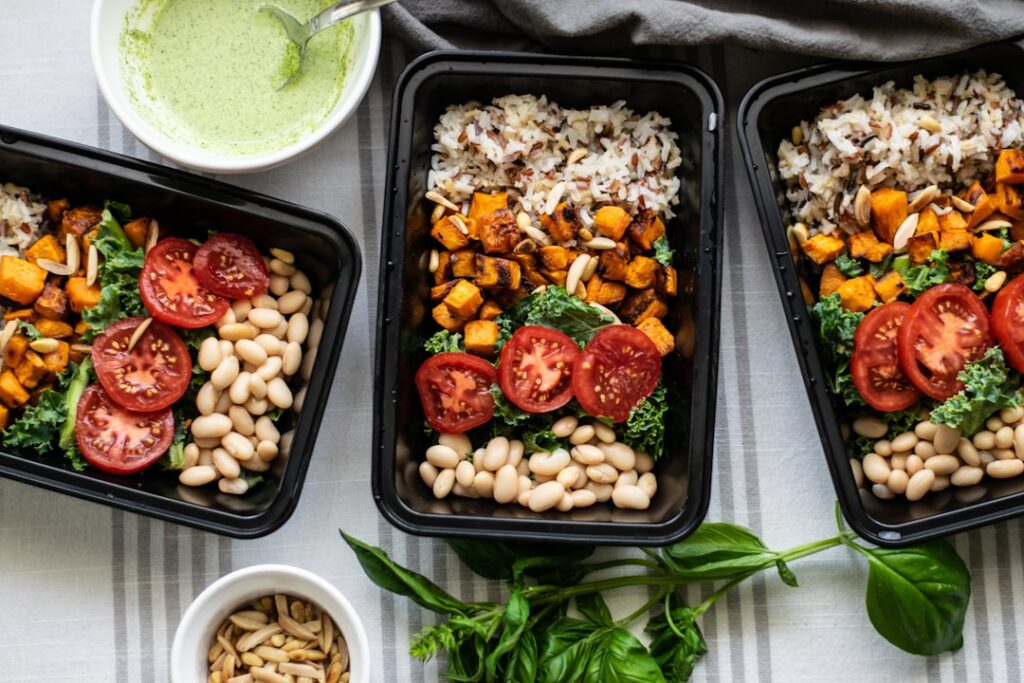
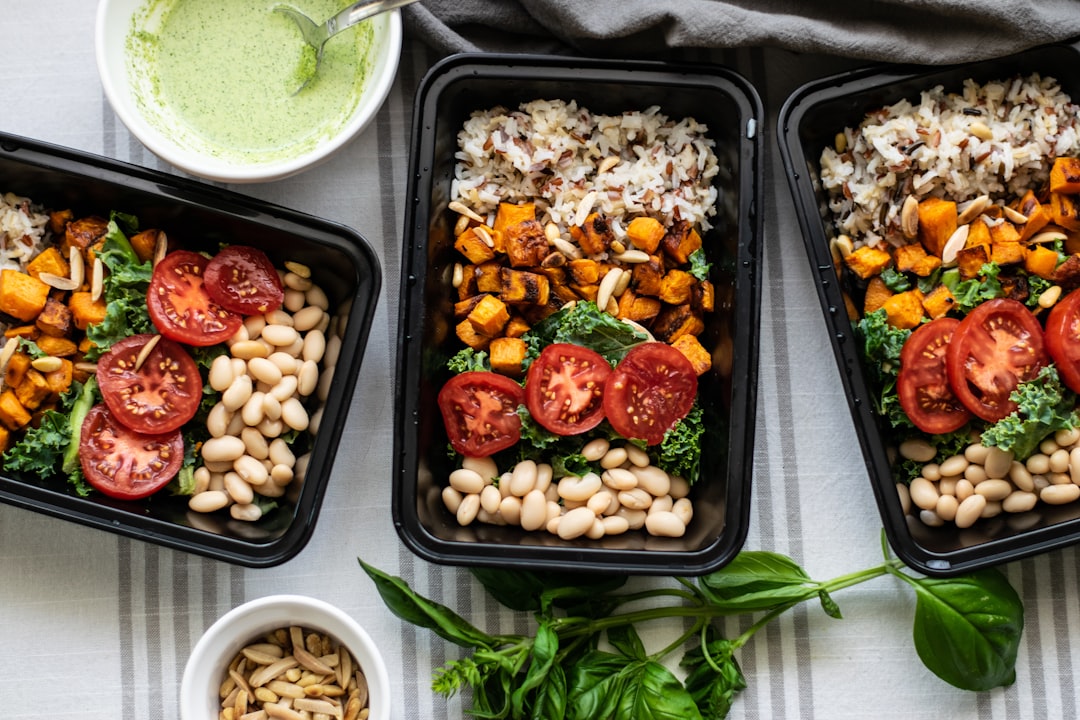

If you’ve ever wanted dinner to feel calmer, gluten-free meal prep is the habit that makes the week easier to steer. I am not talking about a rigid cooking marathon or a fridge packed with the same bowl five days in a row. I mean a simple system that helps you keep a few reliable ingredients ready, shop with less second-guessing, and put together meals that fit real life. When I use that kind of system, I spend less time staring at an open fridge and more time actually eating.
This guide is built for busy home cooks who want practical structure without turning Sunday into a second job. I’ll walk through pantry setup, label reading, batch cooking, storage habits, a sample week, and the small maintenance habits that keep the whole thing from falling apart after three days. If you want more recipe ideas that fit this style, the Healthy Cooking Hub gluten-free recipes collection is a useful place to browse after you finish planning your own rotation.
The goal is not perfection. The goal is a repeatable routine that makes it easier to use naturally gluten-free ingredients, avoid accidental mix-ups in a shared kitchen, and keep variety high enough that nobody gets bored. Once the framework is in place, the details become much easier to change from week to week.
gluten-free meal prep starts with a simple weekly framework
I like to think of this as a three-part rhythm. First, I choose a few anchors. Second, I prep enough components to mix and match. Third, I leave room for one or two meals that are assembled fresh. That rhythm works better than trying to plan every breakfast, lunch, and dinner down to the last bite. It leaves some flexibility, but it still removes the daily pressure of deciding everything from scratch.
The framework can be very small. For one week, I might prep one protein, one grain, two trays of vegetables, one sauce, and one snack box. That is enough to turn into bowls, salads, wraps, tacos, or quick skillet dinners. The point is not to produce a giant line of identical lunches. The point is to create a set of building blocks that can move around the week without much effort.
When I skip a framework, the week usually gets messy in the same predictable ways. Fresh produce sits untouched because I did not plan a use for it. I buy too many special items that only work in one recipe. I end up cooking a full dinner when I am already tired because nothing is ready to combine. A framework lowers that friction. It gives every grocery item a job before it goes into the cart.
Here is the version I use most often:
- One anchor protein such as chicken thighs, tofu, beans, eggs, salmon, or ground turkey.
- One staple starch such as rice, quinoa, potatoes, corn tortillas, or rice noodles.
- Two or three vegetables that can roast, steam, or stay crisp after chopping.
- One versatile sauce that works on bowls, greens, grains, or leftovers.
- One emergency meal such as soup, frozen dumplings labeled gluten-free, or a quick egg dish.
That combination may sound basic, but basic is exactly what keeps a week on track. You can make it feel new with seasoning, texture, and side choices. One week the bowl goes in a Mediterranean direction. The next week it leans into lime, cumin, and salsa. The structure stays the same while the flavor changes.
Build a pantry that removes decision fatigue
A strong pantry does more than save a trip to the store. It makes the rest of the week easier to think through. When I know I already have rice, oats, tamari, canned beans, broth, and a few jars of seasoning, I can move from idea to meal much faster. I do not have to build the same recipe logic from scratch every time I open the cupboard.
I divide the pantry into five zones. The first zone is grains and starches. The second is proteins. The third is flavor builders. The fourth is sauces and condiments. The fifth is snacks and extras. Even in a small kitchen, this kind of grouping helps because it cuts down on hunting and guessing.
Grains and starches can include white rice, brown rice, quinoa, polenta, certified gluten-free oats, potatoes, sweet potatoes, rice noodles, and corn tortillas. I like to keep at least two options on hand. That way, if I run out of one item, the whole plan does not collapse.
Proteins can be a mix of dry and shelf-stable choices. Canned chickpeas, black beans, lentils, tuna, and salmon are useful backups. Eggs, tofu, chicken, turkey, and fish give me more options when I want a fresh meal. If I know the week will be chaotic, I buy at least one protein that can be used cold, like canned tuna or chickpeas, because that gives me a no-cook fallback.
Flavor builders are where a lot of the convenience lives. Olive oil, avocado oil, garlic, onions, ginger, lemons, limes, vinegar, tomato paste, canned tomatoes, and broth labeled gluten-free are the items I reach for most. They turn plain ingredients into something that tastes complete.
Sauces and condiments make leftovers feel less repetitive. Tamari, salsa, mustard, tahini, coconut aminos, hot sauce, pesto, yogurt, and nut butter all have different jobs. A spoonful of the right sauce can change the whole meal.
Snacks and extras matter more than people think. If I have fruit, nuts, yogurt, rice cakes, hummus, or crackers labeled gluten-free, I am less likely to raid the dinner ingredients before the actual meal. That alone can save a lot of weekly frustration.
One practical tip helps a lot in shared households. Keep the gluten-free items in clearly marked bins or on a dedicated shelf. When the shelf has a home, people are much less likely to put the wrong item in the wrong spot. That sounds small, but in a real kitchen, small systems do most of the heavy lifting.
Read labels and shop with a shorter list
Shopping gets easier when I stop trying to remember everything and start using a repeatable label-reading routine. I always check the ingredient list first, then I scan for package claims, then I look for anything that needs a second pass. A quick routine matters more than trying to memorize every possible source of a surprise ingredient.
The biggest time-saver is learning which categories deserve extra attention. Sauces, spice blends, seasoning packets, deli-style proteins, broths, snack foods, and frozen meals are the places I slow down. Fresh produce, plain meat, eggs, rice, and potatoes are usually simpler. That contrast is helpful because it tells me where to spend my attention.
My short shopping list usually includes a mix of staples and fresh items. Staples are the repeat buys that keep the pantry steady. Fresh items are the produce and proteins that change with the season or the menu. If I shop from a list like that, I do not fill the cart with one-use products that only fit a single recipe.
A good list for a week might look like this:
- Staples rice, oats, tamari, tahini, canned beans, broth, olive oil, vinegar
- Protein chicken thighs, eggs, tofu, salmon, chickpeas
- Vegetables broccoli, peppers, carrots, cucumbers, lettuce, zucchini, onions
- Fruit berries, apples, bananas, citrus
- Extras yogurt, cheese, hummus, rice cakes, nuts, seeds
I also try to buy one ingredient that can play several roles. A bunch of cilantro can work in salsa, on tacos, and in a quick herb sauce. A bag of carrots can become roast vegetables, soup, or a crunchy lunch side. A cabbage can be slaw, salad, or a stir-fry base. The more jobs one ingredient can do, the less waste I end up with.
Budget-wise, store brands can help a lot with basics like rice, beans, oats labeled gluten-free, frozen vegetables, and canned tomatoes. I do not need every item to be fancy. I just need the staples to be reliable. That is where the savings usually show up.
Plan meals around anchors, overlap, and leftovers
The easiest weeks are the ones where one ingredient can show up in more than one meal without feeling repetitive. I call that overlap. It means I use the same cooked rice in a bowl one day, then as a side with eggs the next day, then as a quick fried rice base later in the week. The shopping is simpler, the prep is lighter, and the fridge stays more manageable.
When I plan a week, I try to answer three questions. What do I want to eat cold? What do I want to eat hot? What can be turned into a second meal without much extra effort? If I can answer those questions, I usually have a workable plan.
Let’s say I roast a tray of vegetables and cook a pot of rice on Sunday. That becomes lunch bowls, a side with dinner, a quick skillet meal, and maybe a soup topper by the end of the week. If I also cook chicken thighs, I can use them in bowls on Monday, tuck them into tacos on Wednesday, and chop the last pieces into a salad on Friday. That is far easier than cooking three separate proteins from scratch.
I also like to pick one meal that feels especially low-pressure. That can be eggs on toast with fruit, a soup with rice, a snack plate, or a bowl built from leftovers. The reason is simple. Not every night needs a fresh recipe. Some nights just need a plan that is easy to follow when energy is low.
A weekly plan can look like this:
- Two breakfasts that repeat with small changes
- Two lunch patterns such as bowls and salad jars
- Three dinner themes such as sheet-pan, taco night, and skillet dinner
- One backup meal for the day that gets away from you
That is enough structure to keep the week from drifting. I do not need a full seven-day menu unless I know the schedule will be chaotic. I mostly need a few smart starting points. The rest can evolve as the week goes on.
Batch cook the pieces that save the most time
Batch cooking works best when I focus on components rather than complete meals. Complete meals sound efficient, but they can become repetitive faster than expected. Components give me more flexibility. They also keep texture better because I can store each item the way it wants to be stored.
When I cook on a prep day, I usually choose one of each category. A protein. A starch. Two vegetables. One sauce. That is the minimum set. If I have extra energy, I add a second sauce or a breakfast item like egg muffins or overnight oats. If I do not have extra energy, I stop at the minimum and still end up with a useful fridge.
Here are the prep moves I rely on most often:
- Roast a tray of chicken thighs with salt, pepper, garlic, and paprika.
- Cook a pot of rice or quinoa so I have a starch ready for bowls and sides.
- Roast two sheet pans of vegetables such as broccoli, peppers, carrots, zucchini, or cauliflower.
- Make one sauce like lemon-tahini, peanut-lime, chimichurri, salsa verde, or yogurt-herb dressing.
- Prepare one breakfast item such as overnight oats or egg muffins.
I keep seasoning simple on the cooking day and let the sauce do the heavy work later. That helps because a batch of plain roasted vegetables can move in different directions depending on what sauce I add at the meal. Lemon-tahini gives one feel. Salsa gives another. Peanut-lime gives a third. I get more variety from the same base.
It also helps to think about what reheats well. Rice, chicken, beans, soup, and roasted vegetables usually do fine. Leafy greens, sliced avocado, and crisp salads usually need a fresher approach. I do not want to force every ingredient through the same storage plan. When I respect the ingredient, the texture is better when I eat it later.
One practical example is a grain bowl setup. I might prep rice, roasted broccoli, chicken thighs, and a tahini sauce. On Monday I eat that as a bowl. On Tuesday I turn the same ingredients into a salad with greens. On Wednesday I use the chicken and broccoli in a wrap with salsa. The prep time stays low because the ingredients keep doing new jobs.
A simple batch-cook checklist
- Choose one protein
- Choose one starch
- Choose two vegetables
- Make one sauce
- Pack or freeze portions before the fridge gets crowded
Store, label, and reheat food so it still tastes good
Storage is the part of the routine that usually decides whether meal prep works or falls apart. If I pack food in the wrong container or let it sit too long before I portion it, the texture can get tired fast. If I label things well and choose the right containers, the same food can feel useful for several days.
I like shallow containers for cooked grains and vegetables because they cool faster. I like smaller containers for sauces because I usually do not need a huge amount at once. I like separate containers for wet and dry items because that keeps salads, bowls, and wraps from getting soggy before I want them to.
Labeling matters even if I live alone. I write the item name and the date on the container. In a shared fridge, I add a clear note that the container belongs to the gluten-free shelf. That reduces confusion and cuts down on accidental mix-ups. It is a tiny task that saves a lot of guessing later.
Freezing is useful, but not every ingredient behaves the same way. Rice, cooked beans, soup, shredded chicken, and many sauces freeze well. Crisp vegetables, fresh herbs, and leafy greens usually need a fresher path. I use the freezer as a backup system, not as a place to hide everything until I forget it exists.
Reheating also has a few rules that improve the result. Rice does better with a splash of water and a covered reheating step. Roasted vegetables stay better when I warm them in a skillet or toaster oven instead of blasting them in a wet steam environment. Chicken does well when I slice it before reheating so it warms evenly. Sauce should usually be added after reheating, not before, unless the recipe wants it baked in.
Here is a simple storage table I keep in mind:
| Item | Best storage | Good reheating move |
|---|---|---|
| Rice | Shallow container, chilled quickly | Add water, cover, warm gently |
| Roasted vegetables | Separate from sauce | Skillet or toaster oven |
| Chicken | Sliced or whole, sealed tightly | Slice before warming |
| Sauce | Small jar or cup | Add after reheating |
| Salad greens | Paper towel in a sealed box | Use fresh, not reheated |
That kind of simple storage logic keeps the food from feeling dull. It also keeps me from wasting the effort I already spent cooking.
Make breakfast, lunch, and dinner feel easy to assemble
A good prep week gives me options at every meal. If breakfast is easy, the morning feels less rushed. If lunch is easy, I do not end up scrambling around at noon. If dinner is easy, the evening has a better chance of staying calm. That is why I try to prep a little for every part of the day instead of only planning dinner.
Breakfast can be as simple as overnight oats, yogurt with fruit, egg muffins, or a rice bowl with an egg and scallions. I like breakfasts that can be grabbed quickly or warmed in a minute. If I know mornings are going to be busy, I pack them in single-serve containers on the prep day.
Lunch usually needs to travel better than dinner. Grain bowls, chopped salads, soup, snack plates, and wraps are easy wins. I keep dressings and crunchy toppings separate when I can. That way, lunch still feels fresh when I open it later.
Dinner is where I can lean on simplicity and speed. Sheet-pan chicken and vegetables, stir-fried rice, tacos with beans or fish, salmon with potatoes, or a soup with a side salad all work well. I do not need dinner to be elaborate. I need it to be satisfying and realistic.
Here is a sample day built from a small prep session:
- Breakfast overnight oats with berries and nut butter
- Lunch rice bowl with chicken, roasted broccoli, and tahini sauce
- Snack apple slices with cheese and nuts
- Dinner tacos with beans, slaw, avocado, and salsa
That day works because the ingredients overlap without repeating too obviously. The oats feel different from the bowl, the bowl feels different from the tacos, and the same pantry supports all of it. I like that balance. It keeps shopping and cooking under control without making every meal identical.
For anyone who likes more structure, a simple rotation helps. Monday can be bowl night. Tuesday can be soup night. Wednesday can be taco night. Thursday can be skillet night. Friday can be leftovers or a fresh-but-fast recipe. That rhythm is easy to remember and easy to adjust when a week gets unpredictable.
Share a kitchen without turning every meal into a project
Many home cooks are not working in a completely separate kitchen. They are sharing counters, shelves, utensils, and storage with other people. That is where the meal prep system needs a few extra habits. The goal is not to create tension. The goal is to make the kitchen easier to use for everyone.
My first move is to create a dedicated place for gluten-free items. That might be a shelf, a bin, a drawer, or a corner of the pantry. When the location is clear, people are less likely to borrow the wrong item or return the wrong container to the wrong shelf. Clarity helps more than repeated reminders.
My second move is to keep a few tools separate if possible. A cutting board, a spatula, a tongs set, and a toaster are the most useful items to separate when there is room for it. If I cannot dedicate a full set, I at least clean those tools before using them for gluten-free food and keep them out of the general utensil pile when they matter most.
My third move is to use containers with lids and clearly marked labels. Open bags and open jars are where crumbs and mix-ups happen. Closed containers reduce the chance of someone reaching in with the wrong spoon. I also like squeeze bottles and small jars for sauces because they are less messy than shared condiment tubs.
There are a few habits that help in any shared space:
- Wipe down counters before prep
- Wash hands before touching ingredients
- Use clean utensils for jars and condiments
- Store gluten-free items on their own shelf or in their own bin
- Return tools to the same place after washing
When the kitchen is set up this way, I spend less mental energy worrying about where things came from and more energy actually cooking. That is the part that makes the routine sustainable. The point is not to police the kitchen. The point is to make the workflow obvious enough that the whole household can follow it.
Keep the routine affordable and realistic
Meal prep only helps if I can afford to repeat it. That is why I pay attention to overlap, store brands, frozen produce, and season-based shopping. I do not need every meal to include a new specialty ingredient. I need the whole week to feel repeatable without stretching the budget too far.
Frozen vegetables are one of the easiest ways to save money without giving up usefulness. They are already washed and cut, they keep longer, and they fit well into soups, skillets, bowls, and side dishes. Canned beans and lentils are also budget friendly and easy to keep on hand. If a week gets expensive, I can shift the plan toward beans, eggs, rice, and vegetables and still make good meals.
I also try to buy ingredients that can be used in more than one region of flavor. Rice works in taco bowls, stir-fries, soup, and breakfast bowls. Chickpeas can become salad toppings, roasted snack food, or the base of a quick lunch plate. Tahini can support a lemon sauce one week and a garlic dressing the next. The more flexible the ingredients, the less waste I see.
Another habit that helps is giving every grocery item a clear role before I check out. If I cannot name at least two meals for the ingredient, I usually leave it on the shelf. That one question stops a lot of random purchases.
I also keep a running note on my phone with the six or seven things I buy most often. That list becomes the base of the shopping trip. Then I add the produce that fits the week. This approach is simple, but it keeps me from rebuilding the cart every single time.
Budget-friendly meal prep often looks boring on paper and very good on the plate. A bowl of rice, beans, roasted vegetables, and sauce does not sound flashy. In practice, it is filling, flexible, and cheap enough to repeat. That is exactly why it works.
Fix the most common meal prep problems before they spread
Most meal prep problems are predictable. The food is fine on day one, then it starts to get repetitive, soggy, or forgotten. The answer is usually not a new system. It is a small correction to the system you already have.
If the food is getting boring, I change one thing, not everything. A new sauce, a different vegetable, a different herb, or a different starch can make the same base ingredients feel new again. I do not need a whole new week. I need one fresh flavor shift.
If the fridge is overflowing, I stop prep earlier next time and portion the food more quickly. Too many people cook first and sort later. Sorting later usually leads to clutter. When I portion immediately, the fridge stays readable and the food is easier to find.
If leftovers are going to waste, I plan a leftover day on purpose. That can be Friday lunch, Saturday breakfast, or an easy dinner slot. Once leftovers have a place on the calendar, they stop feeling like an afterthought.
If the week is too busy for a big prep block, I switch to a micro-prep version. One grain. One protein. One vegetable. One sauce. Even thirty minutes can produce enough building blocks for a few meals. A smaller session is better than skipping prep entirely and starting from zero.
If the household keeps mixing up ingredients, I make the labels clearer and the storage zones simpler. Most confusion comes from unclear placement, not from bad intentions. A labeled bin solves more problems than a long explanation.
Here is the maintenance pattern I come back to every week:
- Check what is already in the fridge before shopping
- Choose a small number of ingredients that overlap
- Cook components, not huge piles of finished meals
- Store sauces and crunchy items separately when possible
- Leave one low-effort meal slot open
- Adjust one thing next week based on what actually happened
That last step matters a lot. The best routine is not the one that looks perfect on paper. It is the one that survives a real week and gives you a slightly easier next week. That is the kind of improvement that compounds.
When the system is working, the kitchen feels lighter. The grocery list gets shorter. The fridge gets easier to read. Meals come together faster. That is what good gluten-free meal prep should do. It should reduce friction, not add another layer of work to your week.