
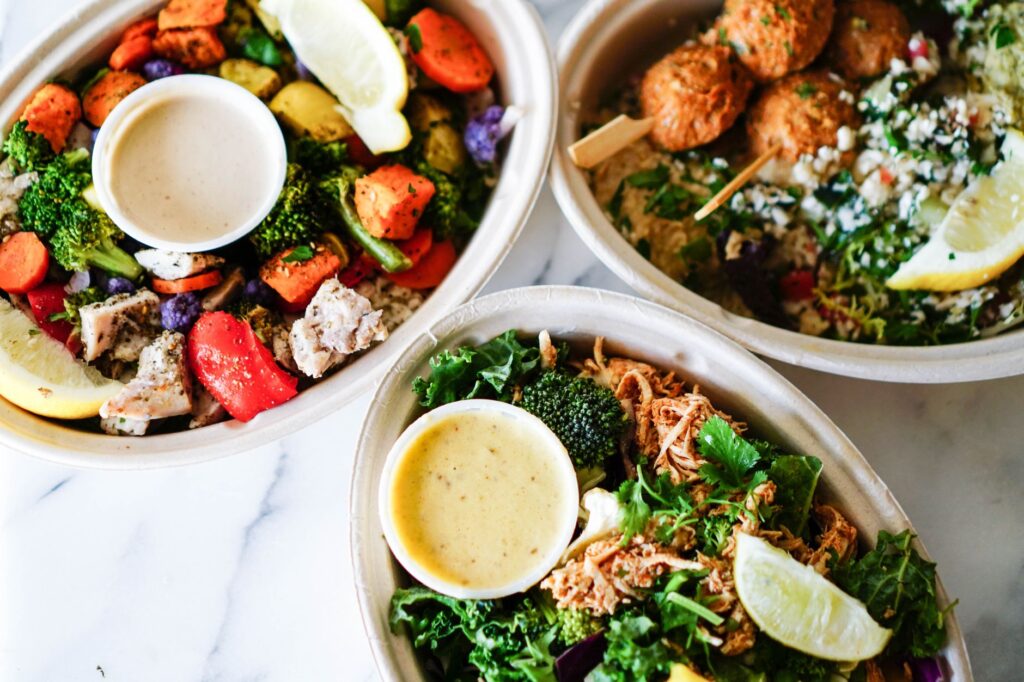
Mediterranean diet meal prep gives you a practical, flavor-forward way to stock the fridge with colorful food that assembles in minutes. If you want a routine where roasted vegetables, vibrant herbs, juicy tomatoes, whole grains, and satisfying legumes show up all week without daily scrambling, this guide is for you. Below you’ll find a complete 7-day blueprint, a smart shopping map, two-hour batch-cooking flows, sauces that carry the week, a mix-and-match matrix, and troubleshooting so you can keep the rhythm going with ease.

Mediterranean diet meal prep: what it is and why it works
The Mediterranean pattern is a flexible way of cooking and eating rooted in everyday kitchens from Greece and Italy to Morocco and Lebanon. At its center are vegetables, fruits, whole grains, legumes, nuts, seeds, and abundant olive oil, with modest portions of seafood, poultry, and eggs when you choose to include them. Fermented dairy like plain yogurt appears in many households, and bright seasonings—garlic, onions, citrus, vinegar, and fresh herbs—build depth without heavy sauces. Bread, especially whole-grain or sourdough styles, often supports meals rather than stealing the spotlight.
That combination makes it ideal for weekly planning. Many Mediterranean dishes improve after a day in the fridge as flavors mingle. Roasted peppers and zucchini, chickpea salads, lentil pilafs, tomato-based stews, and lemony dressings hold well and turn into quick lunches or dinners with minimal effort. Because pantry staples do so much of the work, you won’t need a long list of rare items each week. And thanks to simple techniques—sheet-pan roasting, simmered grains and beans, quick searing—prep day runs smoothly even in a small kitchen.
- Flavor stays lively: Olive oil, herbs, lemon, and spices remain bright after chilling or reheating, so prepped food tastes good on day three as well as day one.
- Flexible building blocks: Cooked grains, roasted vegetables, and a couple of sauces become bowls, salads, sides, or simple mains, depending on what you add.
- Balanced by design: Veggie-forward plates naturally pair with legumes, whole grains, nuts, and optional seafood or poultry for satisfying structure.
- Low effort, high payoff: A two-hour batch yields breakfasts, lunches, and several dinners, freeing up weekday evenings.
If you enjoy this approach and want more ideas to rotate through the seasons, browse our Healthy Eating category for inspiration you can drop into the same framework.
Mediterranean diet meal prep: 7-day blueprint
Use this blueprint as a starting point. Adjust quantities to your household and swap items based on what’s in season or on sale. The plan assumes a two-hour prep block on the weekend and one optional 20-minute refresh midweek.
Prep-day anchors
- Grains (1–2): Cook a pot of farro, brown rice, bulgur, or quinoa.
- Legumes (1–2): Simmer lentils (green/brown) or open and rinse canned chickpeas or white beans.
- Roasted vegetables (2 trays): Fill two sheet pans—think peppers, red onion, zucchini on one; cauliflower and carrots or eggplant on the other.
- Two sauces: One bright vinaigrette (lemon–parsley) and one creamy element (tahini–lemon or yogurt–dill).
- One make-ahead protein (optional): Baked fish, roasted chicken thighs, or simple turkey/chicken meatballs.
Weekly sketch
This menu rotates pieces so you’re not eating the same plate twice.
- Breakfast (rotate): Greek-style yogurt with fruit and nuts; spinach–feta frittata slices; overnight oats with citrus zest and olive oil; whole-grain toast with ricotta, tomatoes, and basil.
- Lunch (assemble in 5 minutes): Grain + legume + roasted veg + sauce + fresh crunch (cucumber, tomato, or arugula) + something briny (olives or capers).
- Dinner (mix cook-once meals with assembly bowls): Three “cook-once, serve twice” mains, plus two assembly nights using your anchors and sauces.
Example week with details
- Monday: Farro bowl with chickpeas, roasted zucchini, lemon–parsley vinaigrette, parsley, and olives. Add jammy eggs or meatballs if desired. Include a side of sliced oranges or grapes.
- Tuesday: Tomato-braised white beans with spinach over barley; a side salad of cucumbers, dill, and yogurt. Warm pita wedges brushed with olive oil.
- Wednesday: Whole-grain pasta tossed with garlic–lemon shrimp, cherry tomatoes, and basil (use extra-virgin olive oil as your finishing touch). A simple arugula salad with shaved Parmesan.
- Thursday: Harissa-style roasted cauliflower over quinoa with mint and creamy tahini sauce; orange segments on the side. Add toasted almonds for crunch.
- Friday: Simple fish bake with tomatoes, olives, and capers; serve with brown rice and roasted carrots. Finish with lemon zest and a drizzle of olive oil.
- Weekend lunches: Mezze boxes: hummus or white bean dip, chopped cucumbers and tomatoes, olives, roasted nuts, and whole-grain crackers or pita.
- Weekend dinner: Sheet-pan chicken thighs with oregano and lemon, roasted potatoes, and a big chopped salad with tomatoes, cucumber, romaine, and red onion.
By varying the sauce, briny elements, and fresh herbs, the same anchors feel new each day. If you cook for one, portion into single-serve containers and freeze extra grains or beans for future weeks.
Sample 7-day grocery list (serves 2–3)
- Produce: 2 lemons, 1 lime, 1 head garlic, 2 red onions, 1 bunch parsley, 1 bunch mint or basil, 1 cucumber, 1–2 pints cherry tomatoes, 2 bell peppers, 2 zucchini, 1 head cauliflower, 4 carrots, 1 bag baby spinach or arugula, 1 head romaine, 3–4 oranges, grapes or berries (optional), 1 eggplant (optional)
- Pantry: Extra-virgin olive oil, red wine vinegar, a small jar capers, olives, canned crushed tomatoes (28 oz), tomato paste (small can), chickpeas (2 cans), cannellini or great northern beans (2 cans), lentils (1 lb), farro (1 lb) or brown rice, quinoa (1 lb), bulgur (optional), whole-grain pasta (1 box), tahini, nuts (almonds or walnuts), seeds (sesame), spices (cumin, coriander, smoked paprika, chili flakes, oregano), salt and pepper
- Protein (if using): 1 lb chicken thighs, 1 lb white fish (cod or haddock), 12 oz shrimp (frozen is fine), 1 dozen eggs, plain yogurt, feta (optional)
Scale quantities based on appetite, leftovers, and whether you prefer more legumes or more seafood/poultry that week.
Smart shopping and pantry map
Think of shopping as building a small Mediterranean pantry, then topping it off with fresh produce and a few proteins. Here’s a blueprint that adapts to seasons and sales.
Pantry essentials
- Olive oil (everyday bottle for cooking; a nicer bottle for finishing)
- Vinegars: red wine, balsamic, and sherry; fresh lemons and limes for acidity
- Grains: farro, brown rice, bulgur, couscous, quinoa, barley, whole-grain pasta
- Legumes: chickpeas, cannellini beans, lentils (green/brown/French), split peas
- Canned tomatoes (whole or crushed) and tomato paste
- Nuts and seeds: almonds, walnuts, pistachios, pine nuts, sesame
- Flavor boosters: olives, capers, preserved lemon (optional)
- Spices: cumin, coriander, smoked paprika, chili flakes, oregano, thyme, cinnamon, sumac (optional)
- Alliums: garlic, onions, shallots
Produce staples
- Leafy greens: arugula, romaine, spinach, little gems, or baby kale
- Vegetables for roasting: peppers, zucchini, eggplant, cauliflower, broccoli, carrots
- Fresh salad elements: tomatoes, cucumbers, radishes, fennel
- Citrus: lemons, limes, oranges, or grapefruit
- Herbs: parsley, mint, basil, dill, cilantro (choose at least two each week)
Protein options
- Seafood: salmon, white fish (cod, haddock), shrimp, or shelf-stable canned fish
- Poultry: chicken thighs or breasts; ground chicken/turkey for quick meatballs
- Eggs: hard-boiled, jammy, or for a frittata
- Dairy (if you use it): plain yogurt, feta, ricotta, kefir
Budget moves that still taste great
- Buy grains, legumes, nuts, and seeds in bulk when possible.
- Choose store-brand olive oil and canned tomatoes; invest in a small “finishing” oil for flavor.
- Rely on seasonal produce; supplement with frozen spinach, peas, artichokes, or broccoli when prices surge.
- Turn stale bread into crunchy croutons or pangrattato (olive oil–toasted crumbs) for texture.
- Stretch fish by serving smaller portions over generous beans and vegetables with bold sauces.
Batch-cooking playbook: a two-hour weekend flow
Here’s a streamlined schedule for a typical two-hour session. Adjust quantities to your household and the number of meals you want prepped.
- 0:00–0:10 | Set up: Clear counters, fill a kettle, preheat oven to 425°F (220°C). Rinse grains and beans as needed. Label containers (dish + date) so rotation is painless.
- 0:10–0:40 | Sheet pans: Chop peppers, red onion, zucchini for pan #1; cauliflower and carrots for pan #2. Toss with olive oil, salt, pepper, and spices (paprika–cumin–coriander is a fan favorite). Roast both pans, switching racks halfway for even coloring.
- 0:15–0:50 | Stove work: Start a pot of farro, barley, or brown rice. In another pot, simmer lentils until tender but not mushy. Meanwhile, whisk lemon–parsley vinaigrette and blend tahini–lemon sauce.
- 0:40–1:10 | Optional baked protein: Mix quick meatballs (ground poultry, garlic, parsley, oregano, chili flakes) or place seasoned fish on a lined tray. Bake when vegetables come out.
- 0:50–1:20 | Bean salad: Combine chickpeas or cannellini beans with chopped cucumber, tomato, red onion, parsley, olives, and vinaigrette. Taste and balance with a squeeze of lemon.
- 1:20–1:40 | Tomato base: Warm olive oil and lightly caramelize garlic and a pinch of chili flakes. Add crushed tomatoes and dried oregano; simmer into a versatile sauce you can use for shakshuka, pasta, or braised beans.
- 1:40–2:00 | Portion and store: Cool in shallow containers for faster chilling. Keep sauces in small jars. Separate single-serve lunches from family-size dinner containers.
Optional add-ons (20–30 minutes): Boil eggs, toast nuts and seeds for toppers, blend a green herb sauce (parsley–mint–lemon–olive oil) to refresh midweek meals.
Batch-cooking guardrails
- Salt lightly during prep; finish with flaky salt or a squeeze of lemon at serving so flavors stay bright across days.
- Roast vegetables on parchment for easy cleanup and to keep edges from sticking.
- Leave some vegetables a touch underdone on prep day; they’ll finish nicely when reheated later.
- Cook grains slightly al dente so they hold texture in bowls and salads.
Sauces, dressings, and spice blends that carry the week
Two sauces and one spice blend transform the same set of building blocks into very different plates. Make them once; use them many ways.
Lemon–parsley vinaigrette
- Whisk 1 part fresh lemon juice with 2–3 parts olive oil.
- Add minced parsley, micro-grated garlic, salt, and pepper.
- Optional: a touch of Dijon or a teaspoon of caper brine for body and brightness.
- Use on: grain salads, bean salads, fish, roasted vegetables, leafy greens.
Creamy tahini–lemon sauce
- Whisk tahini with lemon juice and a splash of cool water until pourable.
- Add grated garlic, salt, and a drizzle of olive oil; thin to your favorite consistency.
- Variations: stir in chopped dill, parsley, or a spoonful of yogurt for extra tang.
- Use on: cauliflower bowls, chicken meatballs, grilled eggplant, warm chickpeas.
Smoky paprika–cumin blend
- Mix 2 parts smoked paprika with 1 part cumin and 1 part coriander; add a small pinch of chili flakes and a whisper of cinnamon.
- Use on: vegetables before roasting, shrimp before a quick sauté, or sprinkled on finished dishes for a warm edge.
Bonus quick sauces
- Herby green sauce: Blend parsley, mint, lemon juice, olive oil, and a splash of water. Spoon on fish, beans, or grain bowls.
- Sun-dried tomato pesto: Pulse sun-dried tomatoes, toasted almonds, parsley, and olive oil; loosen with pasta water for a speedy dinner.
- Yogurt–cucumber: Grate cucumber, squeeze excess liquid, fold into yogurt with dill, lemon, and garlic.
Flavor map by region (quick wins)
- Greek-leaning: Lemon, oregano, dill, cucumbers, tomatoes, feta, olives. Serve with grilled chicken or fish.
- Italian-leaning: Basil, parsley, garlic, balsamic, tomatoes, roasted peppers, Parmesan. Pair with pasta or farro.
- Levant-leaning: Sumac, parsley, mint, tahini, lemon, cucumbers, tomatoes, chickpeas. Great with pita and hummus.
- Moroccan-leaning: Cumin, coriander, cinnamon, paprika, preserved lemon (optional), carrots, eggplant, chickpeas. Serve over couscous or quinoa.
Protein planning the Mediterranean way
Many Mediterranean plates are plant-centered, built on legumes, whole grains, and vegetables, with smaller portions of animal protein as accents. Here’s how to structure protein through the week, whatever your preferences.
Plant-forward anchors
- Legumes: Keep chickpeas, cannellini, and lentils in rotation. They bring texture to salads and bowls and absorb sauces beautifully.
- Nuts and seeds: Almonds, walnuts, pistachios, and sesame add crunch and make meals more satisfying.
- Grains: Farro, barley, brown rice, and bulgur are hearty bases; quinoa provides a lighter texture when you want it.
Seafood
- Choose one “ready-to-eat” option (canned tuna or salmon) and one “cook-once” option (baked salmon or quick-baked white fish). Use citrus, olive oil, and herbs for a bright finish.
- For speed, season shrimp with the smoky spice blend and sauté in olive oil for 3–4 minutes until opaque.
Poultry and eggs
- Roast chicken thighs with lemon and oregano on prep day; shred for bowls and salads.
- Mix-and-bake poultry meatballs (parsley, garlic, oregano) in under 30 minutes.
- Jammy eggs (7–8 minutes in boiling water) are a fast addition to any bowl.
Dairy, thoughtfully
- Plain yogurt doubles as a sauce base; feta adds a salty edge to salads and roasted vegetables.
- Ricotta on toast with tomatoes and basil is a satisfying breakfast or light lunch.
Rotate protein types across the week for variety. If you prefer fully plant-based weeks, focus on legumes, grains, nuts, seeds, and generous vegetables, and layer in sauces and herbs for complexity.
Vegetables, grains, and legumes: a mix-and-match matrix
Here’s a quick matrix to help you assemble meals in minutes. Pick one from each column and finish with a sauce, something crunchy, and a fresh herb. The same items make dozens of combinations.
Combinations to try
- Farro + chickpeas + roasted zucchini + lemon–parsley vinaigrette + olives + parsley
- Barley + lentils + roasted carrots + tahini–lemon + walnuts + dill
- Brown rice + white beans + roasted peppers + green herb sauce + pistachios + mint
- Bulgur + chickpeas + roasted eggplant + yogurt–cucumber + pine nuts + basil
- Quinoa + lentils + cauliflower + smoky spice blend + almonds + cilantro
Assembly rules of thumb
- Start with a warm base (grain or legume) to wake up flavors in chilled items.
- Add one roasted vegetable and at least one fresh, juicy element (tomato, cucumber, citrus segments).
- Use a spoonful of sauce to tie it together; add a sprinkle of something briny (olives, capers) for contrast.
- Finish with a handful of herbs and a drizzle of olive oil for aroma.
More bowl ideas, 10 minutes each
- Panzanella-inspired: Toasted whole-grain bread cubes, tomatoes, cucumbers, red onion, olives, parsley, vinaigrette.
- Warm lentil and greens: Warm lentils with garlic, toss with arugula, roasted carrots, feta (optional), and lemon.
- Tomato–white bean toast: Toasted sourdough, white beans warmed with olive oil and garlic, topped with chopped tomatoes and basil.
Gear, containers, and kitchen setup
You don’t need specialty equipment to make this work, but a few sturdy tools streamline the flow and keep food tasting its best through Friday.
Core tools
- Two rimmed sheet pans (for roasting multiple items at once)
- 4–6-quart pot (for grains and beans)
- 12-inch skillet (for quick sautés and shrimp)
- One sharp chef’s knife and a paring knife
- Cutting board with a damp towel underneath to keep it steady
- Blender or stick blender for sauces (optional but handy)
Containers that make assembly fast
- Shallow, wide containers for quick cooling and even reheating of grains and vegetables
- Small jars for sauces and dressings (easier to shake and store)
- Single-serve containers for grab-and-go lunches
- Larger family-size containers for dinners
- Freezer-safe containers for extra grains or beans
Labeling and layout
- Label by dish name and date; stack in zones: grains, legumes, vegetables, proteins, sauces.
- Keep a small notepad or whiteboard on the fridge listing what’s inside and quick meal ideas to reduce the decision burden at 6 p.m.
Portioning, storage, and reheating for best quality
How you portion and store makes as much difference as how you cook. A few simple habits help keep food tasting great through Friday.
- Cool in shallow containers: Spread hot items to speed cooling before chilling.
- Portion realistically: Pack single-serve lunches for grab-and-go ease; use family-size containers for dinners if you eat together.
- Label well: Note dish name and date for easy rotation.
- Group by category: Keep sauces together, cooked vegetables together, and proteins together to speed assembly.
- Reheat gently: Add a splash of water, broth, or lemon juice to revive grains and legumes on the stovetop or in the microwave.
- Work with texture: Many dishes taste great cold or at room temperature; warm only when it adds something.
General fridge guidance
- Cooked grains and legumes: about 3–4 days
- Roasted vegetables: about 3–4 days
- Sauces and dressings: roughly 3–5 days, depending on ingredients
- Seafood: enjoy closer to the cook day for best texture
Use clean utensils when portioning and keep lids tight to help food hold quality. If something looks or smells off, skip it. When in doubt, make a quick new pot of grains or roast a fresh tray of vegetables midweek.
Freezer-friendly elements
- Cooked grains: freeze flat in bags or in portioned containers; thaw overnight or warm directly with a splash of water.
- Tomato base: freeze in jars with headspace; use later for pasta, beans, or shakshuka.
- Meatballs: bake, cool, freeze on a tray, then bag. Reheat gently in sauce.
Budget, seasonality, and substitutions
Great flavor doesn’t require premium ingredients. A few practical swaps and seasonal strategies keep costs in check while preserving the spirit of the cuisine.
Cost-friendly choices
- Olive oil tiers: Keep an everyday bottle for cooking and a smaller, more aromatic bottle for finishing.
- Grain and legume economy: Bulk bins or large bags reduce cost per serving; cook extra and freeze.
- Frozen produce: Spinach, peas, and artichokes are convenient and often less expensive outside peak season.
- Affordable proteins: Canned fish, eggs, and legumes go a long way; poultry thighs are often cheaper than breasts and are forgiving to cook.
Seasonal menus
- Spring: Asparagus, peas, and herbs; try farro with peas, lemon, and mint.
- Summer: Tomatoes, zucchini, eggplant, cucumbers, and peaches; grill vegetables and toss with basil vinaigrette.
- Autumn: Cauliflower, carrots, fennel, and greens; roast with smoked paprika and finish with tahini.
- Winter: Citrus, hardy greens, and root vegetables; make tomato–white bean stews and brighten with lemon zest.
Substitutions that work
- No farro? Use barley or brown rice.
- No chickpeas? Cannellini or great northern beans bring similar body.
- No tahini? Blend soaked cashews or use yogurt–dill for creaminess.
- No fresh herbs? Use dried oregano and thyme for roasting; finish with lemon zest for a fresh note.
Time-saving techniques for busy weeks
Consistency matters more than perfection. These small habits keep the system running when life speeds up.
- Wash-and-store produce: Rinse, spin, and chill greens after shopping so salads take 60 seconds later.
- Micro-prep weekdays: If you skip a full weekend session, cook one item per evening (grains Monday, lentils Tuesday, roast vegetables Wednesday). By Thursday, you have a full set.
- One tool out, many jobs: When the cutting board is out, chop twice as much. When the oven is hot, fill it.
- Double-duty sauces: Use the same vinaigrette to dress salads, marinate vegetables before roasting, and finish bowls.
- Speedy refresh: Sizzle a can of chickpeas in olive oil with garlic and paprika for 5 minutes to create a new topping.
- Leftover rescue: Turn extra roasted vegetables and tomato base into shakshuka; crack in eggs and simmer until set.
20-minute midweek reset
- Toss one sheet pan of new vegetables (broccoli, mushrooms, or cherry tomatoes) with olive oil and spices; roast while you cook a quick pot of couscous.
- Blend a fresh herb sauce from whatever herbs you have left, plus lemon and olive oil.
- Boil 6 eggs or sear shrimp for 4–5 minutes for a fresh protein.
Troubleshooting and FAQs
“My bowls feel repetitive.”
Think in contrasts. Add something crunchy (toasted nuts), something juicy (citrus segments or tomatoes), something creamy (tahini or yogurt), and something briny (olives or capers) to the same base. Alternate herbs and acids: lemon one day, red wine vinegar the next.
“I don’t have time for a full prep day.”
Try the micro-prep approach: cook one anchor per day. Alternatively, buy pre-chopped vegetables or frozen options when needed. A 20-minute midweek roast of one sheet pan can reset variety for the rest of the week.
“My produce loses its crispness by midweek.”
Keep delicate greens dry and sealed with a paper towel to absorb moisture. Store chopped cucumbers and tomatoes separately and dress salads right before eating. For extra crunch on day four, add toasted nuts or thinly sliced fennel.
“My family wants heartier dinners.”
Serve a generous vegetable platter and grain base, then add a protein centerpiece such as baked fish, roasted chicken thighs, or a pan of poultry meatballs. Warm pita, whole-grain bread, and a bean dish turn the table into a satisfying spread.
“Meal prep feels expensive.”
Re-center the anchors: grains, legumes, seasonal vegetables, canned tomatoes, and a reliable everyday olive oil. Build around those, then sprinkle in premium items—pine nuts, specialty cheeses, or out-of-season produce—sparingly.
“How long does a typical prep take?”
With practice, most people can complete two grains, one legume, two sheet pans of vegetables, two sauces, and a bean salad in about two hours. If you’re new, add 20–30 minutes and simplify the menu.
“Can I do this without seafood or dairy?”
Yes. Lean on legumes, grains, nuts, seeds, and plenty of vegetables. If you eat eggs, they bridge many dishes. Double down on herbs, spices, and sauces for variety.
“What container setup works best?”
Use clear, stackable containers in a mix of single-serve and family sizes. Jars are great for sauces and dressings. Shallow dishes help foods cool faster before chilling.
“How do I keep flavors lively all week?”
Cycle herbs and acids. Keep one bright vinaigrette and one creamy sauce on hand, then swap flavors midweek (mint for parsley, dill for basil, lemon for sherry vinegar). Freshly toasted nuts or a squeeze of citrus keep dishes exciting.
“What about hosting a weeknight dinner with my prep?”
Turn your prepped items into a mezze-style spread: a big chopped salad; bowls of beans dressed with lemon and olive oil; roasted vegetables with tahini sauce; a platter of grilled or baked fish; and warm pita or crusty bread. Offer a citrusy vinaigrette and an herby green sauce on the side so guests can customize.
Advanced variations: rotation ideas and sample menus
Once the basics feel easy, add a new twist each week so your meals continue to feel fresh without adding much work.
Week A: Herb-forward
- Anchors: Farro, lentils, roasted zucchini and peppers
- Sauces: Lemon–parsley vinaigrette; yogurt–dill
- Special: Add a mint–almond pesto to finish fish or beans
Week B: Tomato lovers
- Anchors: Brown rice, chickpeas, roasted eggplant
- Sauces: Tomato base; green herb sauce
- Special: Bake cod in the tomato base with olives and capers
Week C: Smoky and warm
- Anchors: Quinoa, cannellini beans, roasted cauliflower and carrots
- Sauces: Tahini–lemon; smoky paprika–cumin blend
- Special: Sauté shrimp with smoky blend and finish with lemon
Week D: Citrus and crunch
- Anchors: Barley, lentils, roasted broccoli and cherry tomatoes
- Sauces: Lemon–parsley vinaigrette; sun-dried tomato pesto
- Special: Toasted walnuts and pistachios for every bowl
Quick sides and add-ins
- Olive oil–toasted breadcrumbs (pangrattato) with garlic and lemon zest
- Pickled red onions (thinly sliced onion + lemon + pinch of salt and sugar)
- Charred lemon halves to squeeze over fish and vegetables
- Sliced fennel with lemon and olive oil for crunch
Rotate by region, by herb, or by one special ingredient you’re excited about. Small changes—like adding preserved lemon or swapping basil for dill—refresh familiar anchors.
With a few anchors, a couple of sauces, and a reliable weekend rhythm, Mediterranean diet meal prep becomes less of a project and more of a weekly ritual—one that brings color, calm, and good food to your table day after day.