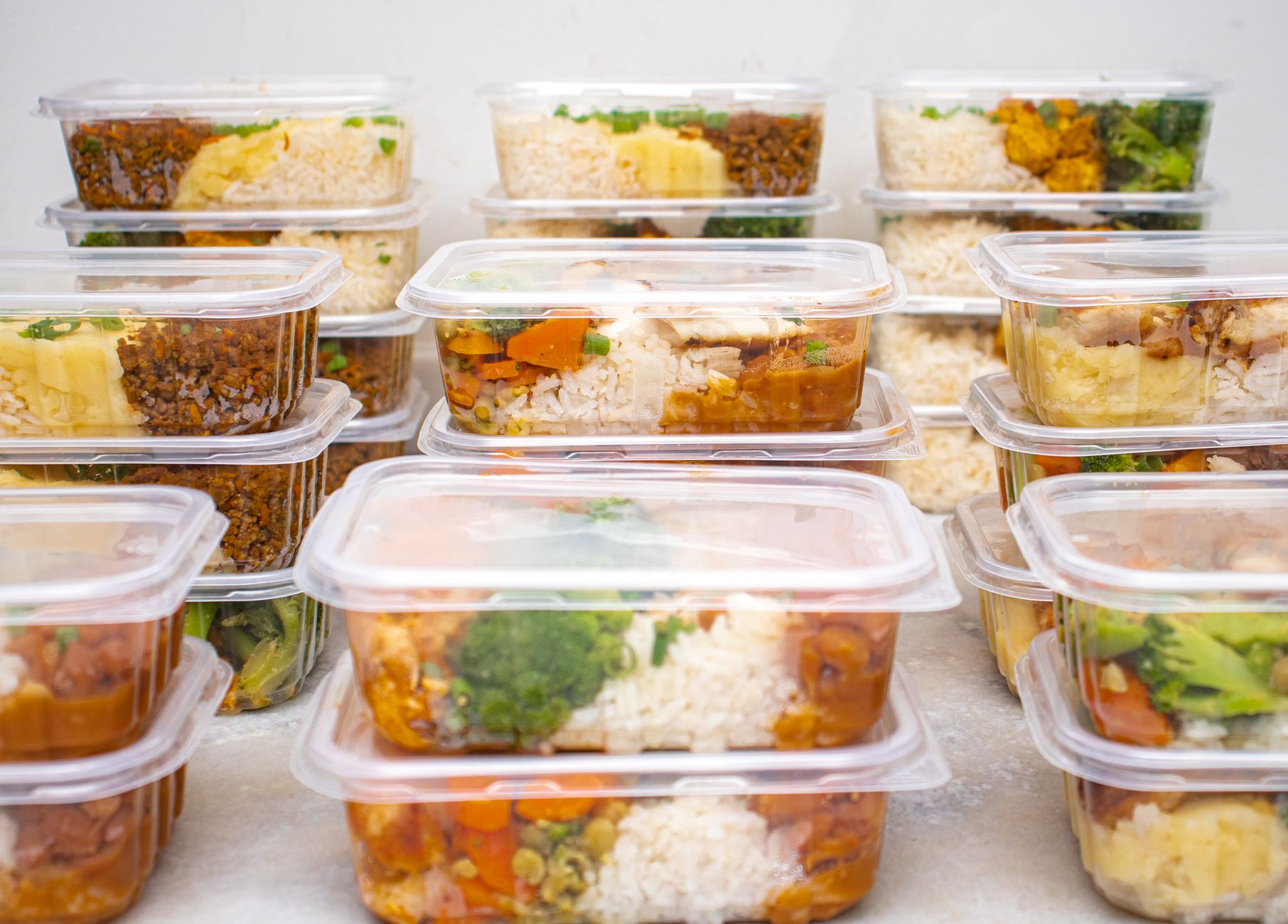
Healthy Meal Prep Ideas can make the difference between a week that feels calm and a week that feels like you are negotiating with your own kitchen every night. I used to think meal prep had to mean six identical boxes, a Sunday that disappeared into chopping, and a fridge full of food I no longer wanted by Thursday. That version did not last. The version that works is simpler, looser, and built around a few habits that save time without making dinner feel flat.
What I want here is practical, not perfect. The point is to make weekday eating easier, reduce waste, and give yourself a plan that still leaves room for a different mood on Wednesday than on Monday. If you want a broader foundation for the style of cooking behind this approach, I also keep a few notes on healthy cooking basics that pair well with the ideas below.
Healthy Meal Prep Ideas That Fit Real Life
The best Healthy Meal Prep Ideas do not start with a giant shopping list. They start with an honest look at your week. Some weeks are meeting-heavy. Some weeks are calmer but full of school runs, long commutes, or late workouts. A useful plan respects that rhythm instead of fighting it. If you only have 45 minutes on a Sunday, your strategy should look different from someone who enjoys spending two hours in the kitchen and wants breakfast, lunch, and dinner ready to go.
I like to think in terms of friction. Where does dinner usually fall apart? For me, it was the moment I got home hungry and had to decide what to cook. The solution was not complicated recipes. It was removing the decision point. I started keeping one cooked grain, one protein, two vegetables, and one sauce ready to combine in different ways. That small shift made meals feel less like a task and more like assembly.
Real life meal prep also has to leave space for appetite. A box of plain chicken, rice, and broccoli may look efficient on paper, but if you dread opening it, the plan fails. The better move is to prep ingredients with enough flexibility that you can build a bowl, a wrap, a salad, or a quick skillet meal from the same base. That way the work you do on Sunday keeps paying off through Friday.
Before you cook anything, ask three questions. What do I already know I will eat? What ingredients will stay useful in more than one meal? What can I make in large enough batches to feel the time savings without creating food boredom? Those questions are the backbone of every good prep routine I have kept.
Start With a Weekly Menu, Not Random Recipes
One of the easiest ways to build Healthy Meal Prep Ideas into a routine is to design a simple weekly menu before you shop. I do not mean a full calendar with every bite assigned. I mean a small map. Pick two proteins, two vegetables, one grain or starch, one breakfast base, and two sauces. That is enough to create variety without needing a new recipe for every meal.
Here is the kind of outline that works well for me. Protein one might be roasted chicken thighs. Protein two might be lentils or baked tofu. Vegetables could be a tray of peppers and onions plus a tray of zucchini or green beans. The grain could be brown rice, quinoa, or farro. Breakfast might be overnight oats or yogurt with fruit. Then I choose one bright sauce and one richer sauce, such as lemon tahini and a yogurt herb sauce, or salsa verde and a peanut dressing.
This approach keeps the shopping list shorter and the cooking more efficient. It also makes the week easier to adjust. If Monday turns into a late night, you can turn the same ingredients into a wrap. If Thursday lunch needs to be fast, you can throw the same pieces into a bowl and add sauce. The menu acts like a set of rails instead of a script.
There is a second benefit too. You stop relying on mood to make good choices. The menu does the thinking before you get tired. That matters when your energy is low and your patience is lower. The plan should carry you, not demand extra focus.
Build Meals That Still Taste Good on Day Four
The biggest mistake I used to make was thinking about the first meal only. Day one is easy. Day four is where your plan proves itself. Good Healthy Meal Prep Ideas are built for freshness, texture, and contrast, not just convenience. The trick is to assemble meals with parts that age in different ways.
I look at every prep bowl through five lenses. Does it have protein that stays pleasant after reheating? Does it have vegetables that hold texture? Is there a starch that absorbs flavor instead of turning mushy? Is there something crisp or fresh to add at the end? Is there a sauce that wakes everything up? When those five pieces are present, the meal usually works better than a long ingredient list.
For example, a quinoa bowl with roasted salmon, cucumber, edamame, shredded cabbage, and sesame dressing feels more alive than a plain chicken and rice box because each bite has contrast. A turkey chili with avocado, scallions, and tortilla strips can shift from comforting to bright with very little extra effort. Even a simple wrap feels better when you add something crunchy and something tangy.
I also like to prep a finishing shelf in the fridge. That means keeping toppings in separate small containers so the food can be assembled just before eating. Think chopped herbs, sliced scallions, pickled onions, pumpkin seeds, feta, or a spoonful of salsa. These small add-ons take almost no time during prep day, but they keep the whole week from tasting repetitive.
If you want your meals to stay interesting, do not only plan the main dish. Plan the finish. That one habit changes everything.
Choose a Prep Style That Matches Your Week
Not every household needs the same prep style. Some weeks call for full cooked meals. Other weeks need ingredient prep that can flex. The best Healthy Meal Prep Ideas are the ones that match your schedule, your appetite, and the amount of cleanup you are willing to do.
| Prep style | Best for | Strength | Tradeoff |
|---|---|---|---|
| Cooked meals | Very busy weeks | Fastest at mealtime | Less flexible if your plans change |
| Ingredient prep | People who want variety | Easy to mix and match | Needs a little more assembly later |
| Component prep | Most households | Balanced mix of speed and flexibility | Requires basic planning |
| Freezer backup | Unpredictable schedules | Useful on chaotic weeks | Needs thawing time |
Cooked meals are useful when you know the week will be packed. Soup, chili, pasta sauce, curry, or grain bowls can all be portioned and stored. Ingredient prep is better when you like choosing your meal at the last minute. You might roast a tray of vegetables, cook rice, make a protein, and keep everything separate until you eat. Component prep sits in the middle, which is where I spend most of my time. It gives enough structure to save time without locking you in.
Freezer backup deserves a place in every kitchen. A container of soup, a bag of cooked grains, or a couple of breakfast burritos can rescue a rough day. I do not think of frozen food as a backup plan for failure. I think of it as insurance for your future self. The smoother your fallback options are, the less likely you are to order something random when you are tired.
The goal is not to choose the most impressive system. It is to choose the one you can repeat without dread.
Shop in a Way That Supports the Plan
Grocery shopping becomes easier when it follows the menu instead of leading it. I learned this the hard way after too many trips where I bought “healthy” ingredients without a clear plan and ended up with three half-used herbs, one sad container of greens, and no dinner. Strong Healthy Meal Prep Ideas begin with a shopping list that serves the week, not the mood of the moment in the store.
I sort my list into categories. Produce first, then proteins, then grains and starches, then dairy or alternatives, then pantry items, then extras like nuts, sauces, and herbs. That keeps me from circling the store twice and helps me notice when a recipe has quietly drifted into too many ingredients. If a recipe needs four specialty items just to become edible, I usually set it aside for another time.
It also helps to shop with overlap in mind. If you buy cilantro for a taco bowl, can you use the rest in a salad dressing or a rice bowl? If you buy a red cabbage, can you shred part of it for bowls and leave part for a slaw? The smartest lists share ingredients across meals. That reduces waste and shortens prep time because the same items show up in different forms.
I keep a short backup shelf of pantry staples that make a week easier. Canned beans, tuna or salmon, rice, oats, broth, tomatoes, olive oil, vinegar, mustard, frozen vegetables, and a few spices cover a surprising amount of ground. When I have those items in place, I can still build a meal even if fresh plans shift.
The most useful shopping habit is simple. Do not leave the store without a clear answer to how each major item will be used. If you cannot explain its role in at least one meal, it may not belong on the list.
Batch Cook the Parts, Not the Entire Week
I stopped trying to cook everything at once when I realized I was spending too much time on food I might not want by day three. Batch cooking works better when I focus on parts. That is one of the most practical Healthy Meal Prep Ideas because it keeps meals adaptable while still saving time.
My usual order looks like this. Start with the items that take the longest. Get grains going first. Roast vegetables on two trays if needed. Put protein in the oven, on the stove, or in a slow cooker depending on what fits. While those cook, wash greens, chop crunchy toppings, and mix sauces. If I am cooking legumes, I usually do them in a large pot so they can appear in salads, bowls, soups, and tacos later in the week.
Some foods are especially useful in batch form. Roasted sweet potatoes hold up well. Brown rice and farro are reliable bases. Hard-boiled eggs work for breakfast, snacks, or salads. Chicken thighs stay juicy better than some lean cuts. Tofu gains a better texture when it is pressed and cooked in a hot oven. Lentils are flexible and can move from soup to salad very easily. Sheet-pan vegetables are a gift because they require almost no attention once they are in the oven.
I also recommend batch-cooking one item that feels comforting and one that feels fresh. Comfort might be a soup or a tray of roasted carrots. Fresh might be a chopped herb salad or a quick cabbage slaw. That balance matters. It makes the week feel less like repetition and more like a set of options.
When people tell me they do not have time to prep, I usually look at their method. They are often trying to make the whole week in one shot. A smaller, smarter batch routine usually works better and takes less willpower.
Keep Flavor Interesting Without Extra Work
Food gets boring when every container uses the same flavor path. The fix is not more effort. It is more variation from a small set of tools. I think of this as a flavor system, and it is one of the most useful Healthy Meal Prep Ideas for staying consistent over time.
Every meal can be changed with four things. Acid, heat, herbs, and crunch. Acid can come from lemon, lime, vinegar, pickled onions, or yogurt sauces. Heat can come from chili flakes, hot sauce, ginger, or harissa. Herbs can be parsley, cilantro, dill, basil, or scallions. Crunch can be seeds, nuts, toasted breadcrumbs, cabbage, or fresh vegetables. If you change even two of those, the same base meal can feel new.
I like to prep two sauces each week with different personalities. One can be bright and tangy. The other can be rich and creamy. A lemon tahini sauce works for bowls, roasted vegetables, and wraps. A yogurt herb sauce works with chicken, potatoes, and grain salads. A peanut sauce changes an otherwise plain bowl into something I actually look forward to eating.
Seasoning also matters more than many people realize. A tray of vegetables with olive oil and salt is fine. A tray of vegetables with garlic, paprika, cumin, black pepper, and a squeeze of citrus can become a main event. The same is true for grains. Rice can be plain, or it can be cooked with broth, herbs, and a bay leaf. Those tiny shifts create a better week without creating more dishes.
If your prep routine feels dull, do not start over. Add one new sauce, one bright topping, and one spice blend. That is often enough to bring the whole system back to life.
A Five-Day Example You Can Copy
Sometimes the easiest way to picture Healthy Meal Prep Ideas is to see a full week laid out. This example is simple on purpose. It uses overlapping ingredients so you can cook once and eat in several ways without feeling boxed in.
Sunday prep might include brown rice, roasted chicken thighs, roasted broccoli, roasted carrots, a cucumber salad, a lemon tahini sauce, a yogurt herb sauce, and a tray of chopped fruit for breakfast.
Monday lunch becomes a chicken rice bowl with broccoli, carrots, cucumber, and lemon tahini. Dinner can be the same base ingredients in a wrap with extra greens and yogurt sauce.
Tuesday lunch turns into a grain salad. Add cucumber, herbs, seeds, and a little feta if you want it. Dinner can be chicken and vegetables over rice with hot sauce and extra greens.
Wednesday lunch shifts to a warm bowl. Reheat the rice and vegetables, add chicken, and finish with yogurt herb sauce and crunchy seeds. Dinner can be a faster version with the same ingredients plus a fried egg if that fits your routine.
Thursday lunch can use the last of the chicken with a slaw-style salad. Dinner might be the easiest meal of the week: rice, vegetables, sauce, and any remaining toppings assembled in minutes.
Friday is the reset day. Use what is left, freeze what will not make it, and cook one fresh item for the weekend if needed. That keeps the fridge from becoming a museum of good intentions.
The point of a sample week is not to copy it exactly. It is to show how a small set of ingredients can create enough variation to keep you interested.
Storage, Reheating, and Freshness Habits
Good storage habits matter as much as good cooking. If food is stored poorly, even the best plan starts to feel messy. One of the most practical Healthy Meal Prep Ideas is to think about storage while you are still cooking, not after the containers are already packed.
I try to cool cooked food before sealing it. I portion items into shallow containers so they cool faster. I keep sauces in separate jars. I label anything that will not be eaten right away so I know what should be used first. These are small steps, but they help the fridge stay organized and keep leftovers from disappearing into the back corner.
Reheating is its own skill. Some meals need a splash of water before they go back in the microwave. Others do better on the stove. Crispy items can be warmed in a skillet or oven instead of a microwave so they keep better texture. Sauces often taste brighter when they are added after reheating rather than before.
I also pay attention to what belongs in the fridge and what belongs in the freezer. Extra soup, chili, cooked grains, or portioned sauces can be frozen in single-serving containers. That creates a small library of backup meals for future weeks. It is especially useful during travel, busy periods, or times when fresh cooking energy is low.
Freshness is not about chasing perfection. It is about keeping meals enjoyable long enough that your prep routine feels helpful rather than stale. If something has lost its texture, repurpose it. Cooked vegetables can become soup. Rice can become fried rice. Roast chicken can move into a salad or wrap. That kind of flexibility keeps the whole system useful.
How to Keep Meal Prep Sustainable for Months
The difference between a short burst of effort and a lasting habit is usually not motivation. It is design. Sustainable Healthy Meal Prep Ideas work because they fit your energy, your schedule, and your actual taste. If the system feels too ambitious, it will eventually collapse. If it feels too bland, it will fade for a different reason.
I keep the routine sustainable by using a few rules. I do not cook every meal from scratch. I do not fill the fridge with more than I can reasonably use. I do not choose five new recipes when two reliable ones would do. I also leave room for one or two meals each week that are not preplanned, because a little flexibility makes the whole system feel human.
A short weekly checklist helps a lot. Review the calendar before shopping. Pick two proteins, two vegetables, and one grain. Choose two sauces. Check the pantry for staples. Decide what can be frozen if needed. Pick one fresh item for the middle of the week so the food still feels lively. That checklist takes only a few minutes, but it saves a lot of scattered thinking later.
I also like a reset ritual at the end of the week. Use up the open containers. Wipe the shelves. Make a new list while the old week is still visible. That small reset keeps the next round easier. It also stops the fridge from becoming a place where ingredients go to disappear.
The goal is not to become the person with the most elaborate prep system. The goal is to build a routine that quietly supports your real life. When that happens, weekday food stops feeling like a problem you solve over and over. It becomes one less thing to think about, and that is the real win.