Healthy meal prep weight loss is easiest when you pre-portion meals around lean protein, high-fiber vegetables, slow-digesting carbs, and measured fats so you feel full while eating fewer calories. Each week, pick two to three proteins, three vegetables, and one to two whole‑grain or starchy carbs, cook them in batches in about 60 minutes, portion with hand-size targets, refrigerate meals for days 1–3, and freeze days 4–5.
Here is the short version you can follow tonight: choose 2–3 proteins (for example chicken, tofu, eggs), 3 vegetables (such as broccoli, peppers, greens), and 1–2 carbs (like brown rice or potatoes). Batch-cook, then portion per meal to roughly a palm of protein, 1–2 cups of vegetables, 1/2–1 cup cooked carbs, plus 1–2 teaspoons of oil or sauce. Store day 1–3 meals in the fridge and move day 4–5 to the freezer. That simple rhythm cuts guesswork, limits impulse choices, and makes it far easier to stay consistent.
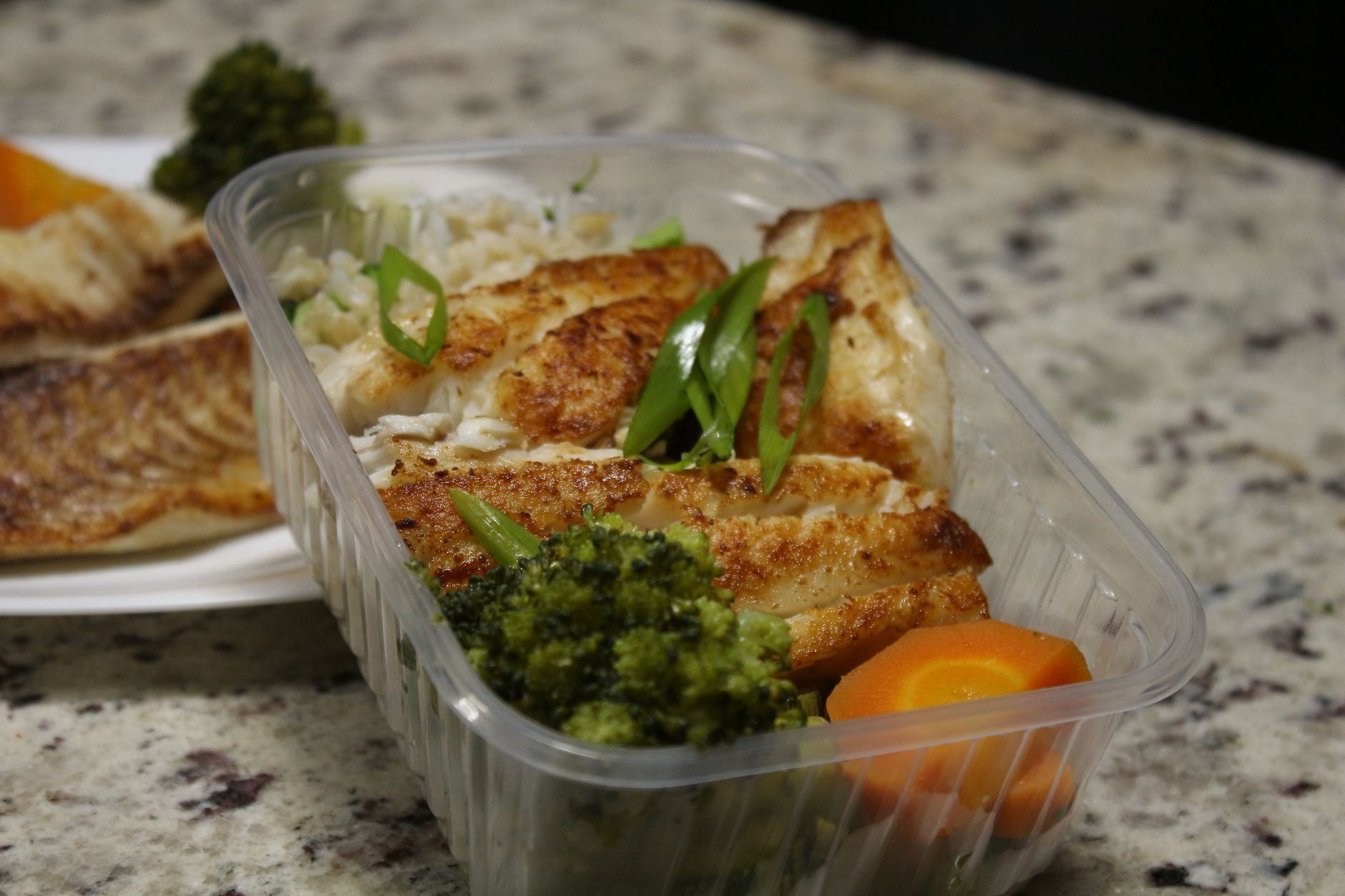
Start here: the healthy meal prep weight loss method
Why this works: you control portions before hunger is loud, you repeat a simple system that reduces decisions, and you lower exposure to last‑minute takeout. The framework below gives you a full workweek of filling meals in roughly an hour.
- Three-step quick start: pick building blocks, batch-cook, assemble and label.
- No-scale portions: use your hand to size protein, carbs, fats, and veggies.
- Parallel cooking: oven and stovetop run at the same time for speed.
- Budget and storage at a glance: target about $2.50–$4.00 per serving; refrigerate days 1–3, freeze days 4–5.
Core portions per meal (guideline, not a rule): palm of protein (about 20–35 g protein depending on choice), 1–2 cups of high‑fiber vegetables, 1/2–1 cup cooked slow‑digesting carbs, and 1–2 teaspoons oil or sauce for flavor. If you’re smaller or less active, start at the lower end; if you’re larger or very active, use the upper end.
Best foods for healthy meal prep weight loss (mix-and-match list)
Use foods that cook fast, reheat well, and keep good texture after a few days. Pick two to three from each section to build variety without overwhelming prep.
- Lean proteins that reheat well: skinless chicken breast or thighs, extra‑firm tofu, tempeh, 93–99% lean ground turkey, canned tuna or salmon, shrimp, eggs, low‑fat Greek yogurt, cottage cheese, lentils and beans.
- High‑fiber vegetables that last: broccoli, cauliflower, Brussels sprouts, green beans, bell peppers, zucchini, carrots, cabbage, kale, spinach, mixed leafy greens, frozen vegetable blends for backup.
- Smart carbs (portion cooked 1/2–1 cup): brown rice, quinoa, barley, farro, whole‑wheat pasta, sweet or gold potatoes, beans and lentils, oats.
- Measured fats (1–2 teaspoons per meal): olive or avocado oil, pesto, tahini, nut butter, chopped nuts or seeds, avocado (add day‑of), vinaigrettes.
- Low‑cal flavor boosts: salsas, hot sauces, soy sauce or tamari, mustard, lemon or lime, vinegar, garlic and onion powders, spice blends.
Build-your-bowl template
| Component | Portion target (no-scale) | Budget pick | Higher-protein swap | Examples |
|---|---|---|---|---|
| Protein | 1 palm (about 3–5 oz cooked) | Eggs, canned tuna, beans | Chicken breast, extra‑firm tofu, shrimp | Garlic‑lime chicken, chili tofu, tuna with herbs |
| Vegetables | 1–2 cups | Frozen mixed veg, carrots, cabbage | Broccoli, Brussels sprouts, peppers | Roasted broccoli, shredded slaw, sautéed peppers |
| Smart carbs | 1/2–1 cup cooked | Brown rice, oats, potatoes | Quinoa, barley, farro | Brown rice, roasted potatoes, quinoa |
| Measured fats | 1–2 teaspoons | Olive oil, simple vinaigrette | Tahini, pesto (thin with water) | Drizzle olive oil + lemon, tahini‑garlic |
| Flavor | To taste (low‑cal) | Salsa, mustard, vinegar | Chili crisp (light), hot sauce | Salsa verde, soy‑ginger, smoky paprika |
Build your week: sample 6-day menu and budget shopping list
Choose two proteins, three vegetables, and two carbs to produce 10–12 meals you can rotate. Below is an example menu with a practical cart. Prices are example estimates based on typical US grocery averages; your local prices may differ. Use this only as planning math, not a quote.
- Proteins: roasted chicken breast, chili‑garlic tofu
- Vegetables: broccoli, peppers + onions, carrots/cabbage slaw
- Carbs: brown rice, roasted sweet potatoes
- Extras: olive oil, lime, salsa, soy‑ginger sauce, spice blends
Example 6‑day rotation (mix and match lunches/dinners):
- Bowl A: chicken + broccoli + brown rice + salsa‑lime
- Bowl B: tofu + peppers/onions + sweet potato + soy‑ginger
- Big salad: shredded slaw mix + chicken or tofu + vinaigrette, carb on the side
- Soup cup: quick lentil‑veg soup with leftover veg and stock
- Overnight oats breakfast: oats + Greek yogurt + berries (from frozen)
Budget cart and cost per serving (example)
Assumptions noted in the table; one serving equals one prepared meal as portioned above. Servings are approximate.
| Item | Qty | Price (example) | Servings yielded | Cost/serving | Swap to save |
|---|---|---|---|---|---|
| Chicken breast | 3 lb | $10.50 | 8 | $1.31 | Use bone‑in thighs or canned chicken |
| Extra‑firm tofu | 2 x 14 oz | $5.00 | 5 | $1.00 | Buy store brand 2‑pack |
| Brown rice (dry) | 2 lb bag | $2.50 | 20 | $0.13 | Buy in bulk or store brand |
| Sweet potatoes | 3 lb | $3.00 | 8 | $0.38 | Use russet potatoes |
| Broccoli | 2 lb (crowns or frozen) | $3.50 | 8 | $0.44 | Frozen 2‑lb bag |
| Peppers + onions | 1.5 lb (frozen mix) | $2.50 | 6 | $0.42 | Use onions + carrots |
| Cabbage + carrots (slaw) | 2 lb | $3.00 | 8 | $0.38 | Whole cabbage + carrot |
| Eggs | 1 dozen | $2.25 | 6 (2 per bowl) | $0.38 | Use beans instead |
| Beans (canned) | 4 cans | $3.20 | 8 | $0.40 | Dry beans in bulk |
| Greek yogurt (plain) | 32 oz | $4.50 | 8 (1/2 cup) | $0.56 | Cottage cheese |
| Flavor (salsa, soy‑ginger, spices) | assortment | $5.00 | 20+ | $0.25 | DIY spice mixes + lime |
Example total: about $41.95 yielding roughly 70+ portions across meals and sides, which lets you assemble 12+ full meals and breakfasts for an estimated $2.50–$3.50 per meal. Ultra‑budget path: beans + rice + frozen mixed veg + eggs can land near $2–$3 per serving with careful shopping.
For more beginner planning structure, see Healthy meal prep for beginners: a practical 4‑week plan and our broad guide Healthy Meal Prep Recipes: A Complete Guide for Busy Home Cooks.
Portioning and calories made simple (no tracking required)
You don’t need a scale or a tracking app to portion well. Try these hand‑size targets to keep meals filling and consistent.
- Protein: one palm per meal for most adults; two palms if very active. Examples: 1 palm chicken, 3/4 block tofu, 2 eggs + 2 oz beans.
- Vegetables: 1–2 cups (two fistfuls) of high‑fiber veg per meal. Add leafy greens freely for volume.
- Smart carbs: 1/2 cup cooked if you’re smaller or sedentary, up to 1 cup if you’re larger or active. Choose slower‑digesting options like brown rice, quinoa, potatoes with skin.
- Fats and sauces: 1–2 teaspoons oil or concentrated sauce. Thin creamy sauces with water, vinegar, or citrus to stretch flavor.
Guardrails that help you stay full: aim for roughly 20–35 g protein and 8–12 g fiber per main meal by pairing a palm of protein with 1–2 cups of fiber‑rich vegetables and smart carbs like beans, lentils, or whole grains. If you feel hungry between meals, add a protein‑forward snack such as Greek yogurt or a small portion of nuts. For snack ideas, browse 15 healthy snacks for weight loss.
How to adjust without counting: if you feel low energy or unusually hungry, increase vegetables first for volume, then bump carbs by 1/4 cup. If you’re regularly leaving food uneaten, reduce carbs or fats slightly. Keep protein consistent across meals.
Time-saving batch-cook workflow (step-by-step)
Set a 60‑minute timer and run oven and stovetop at the same time. Keep cleanup simple by lining trays and reusing one cutting board.
- 0–10 min: Preheat & chop. Oven to 425°F (218°C). Rinse grains. Chop broccoli, peppers, onions, and sweet potatoes. Boil kettle for quick stock if making soup.
- 10–15 min: Start oven trays. Toss veggies with 1–2 teaspoons oil total, salt, pepper, spices. Spread on sheets. Add chicken (seasoned) to a separate tray.
- 12–15 min: Start stovetop pot. Begin brown rice or quinoa. If cooking tofu, press quickly, cube, and start in a nonstick pan with spices.
- 20–35 min: Prep cold items. Shred slaw, whisk vinaigrette, portion salsa/soy‑ginger, hard‑boil eggs if using.
- 35–45 min: Flip and finish. Rotate trays; check chicken and veg. Fluff grains. Simmer a quick lentil‑veg soup in the now‑free pot.
- 45–55 min: Portion proteins. Slice chicken; divide tofu and eggs into palm‑sized portions in containers.
- 55–60 min: Portion carbs & veg, cool, label, store. Add grains and veg to each container, leave lids cracked to cool 15–20 minutes, label with date and contents.
Containers and tools that help:
- 2–3 sheet pans, 1 nonstick skillet, 1 medium pot with lid, cutting board, sharp knife.
- 4–6 glass or BPA‑free plastic containers (3–4 cup size) plus a few 1‑cup sauce cups.
- Masking tape + marker for clear labels.
For dinner‑specific ideas and reheating tips, see Healthy Meal Prep Recipes for Dinner: 5‑Night Plan and our fast‑track guide Healthy meal prep for busy weeknights.
Storage, freezing, and reheating guide
General rule: cool prepared food to room temp within 30–60 minutes before sealing. Refrigerate meals you’ll eat within 3–4 days. Freeze items meant for day 4–5 (or beyond). Keep raw delicate greens and dressings separate until the day you eat them.
Shelf-life and reheat matrix
| Meal type | Fridge (days) | Freezer (months) | Best reheat method | Texture tips | Keep sauce separate? |
|---|---|---|---|---|---|
| Roasted chicken + veg bowls | 3–4 | 2–3 | Microwave 2–3 min or oven 350°F until hot | Sprinkle water over rice; vent lid | Yes, add after reheating |
| Tofu/bean grain bowls | 3–4 | 2–3 | Skillet 3–5 min or microwave | Crisp tofu in pan with a splash of oil | Yes |
| Soups and stews | 4 | 2–3 | Stovetop simmer or microwave | Add a little stock or water as needed | No |
| Salads (components) | 3–4 (undressed) | Not ideal | N/A | Store protein and dressing separately | Yes |
| Overnight oats | 3–4 | 2 (if portioned in jars) | Enjoy cold or 30–60 sec microwave | Thin with milk or water after thaw | N/A |
Food safety basics: wash hands and tools, avoid cross‑contamination between raw and cooked foods, and reheat leftovers until steaming hot. When in doubt about time or temperature, don’t risk keeping it.
Keep it interesting: flavor swaps and low-cal sauce ideas
Rotate flavors while keeping the same base foods. These quick sauces are designed to land around ~50 calories per tablespoon or less when made as shown; thin with water or citrus to stretch further.
- Salsa‑lime: 2 parts salsa, 1 part lime juice, pinch cumin and chili powder.
- Soy‑ginger: low‑sodium soy sauce or tamari, grated ginger, rice vinegar, splash of water, pinch of brown sugar or alternative.
- Mustard‑herb vinaigrette: 1 teaspoon olive oil, 2 teaspoons vinegar, 1 teaspoon Dijon, dried Italian herbs, water to thin.
- Tahini‑lemon (light): 1 teaspoon tahini, 2 teaspoons lemon juice, garlic powder, water to thin.
- Yogurt‑garlic: 2 tablespoons plain Greek yogurt, minced garlic or powder, lemon, dill.
Spice blend map (sprinkle on proteins/veg before cooking):
- Southwest: smoked paprika, cumin, garlic powder, oregano
- Mediterranean: oregano, thyme, rosemary, lemon zest, black pepper
- BBQ rub: paprika, garlic powder, onion powder, pinch of brown sugar, pepper
- Garlic‑chili: garlic powder, chili flakes, sesame seeds
Want a Mediterranean‑leaning week? Try our Mediterranean diet meal prep: 7‑day plan for more flavor ideas.
Troubleshooting common mistakes
- Hidden calories in oils and dressings: measure oils by the teaspoon during prep. Thin creamy sauces with water, vinegar, or citrus to double coverage.
- Too little protein or fiber: if meals don’t keep you full, add an extra palm of protein across the day or increase vegetables and beans for more fiber.
- Prepping foods that don’t hold up: delicate greens and cut tomatoes get soggy; keep them separate and assemble fresh. Choose sturdy veg like broccoli, cabbage, carrots for cook‑ahead.
- Boredom leads to takeout: build two sauce routes per week (for example salsa‑lime and soy‑ginger) so the same base ingredients taste different.
- Overcooking grains or veg: undercook by a minute if you’ll reheat, so texture stays pleasant later.
Quick answers to common questions
How should I prepare my meals for weight loss each week? Use the 60‑minute flow above: pick 2–3 proteins, 3 vegetables, and 1–2 carbs, batch‑cook, portion with the hand method, label, refrigerate days 1–3 and freeze days 4–5. Keep sauces separate and measured.
What is the 3‑3‑3 rule to lose weight? People use 3‑3‑3 to mean different things online. One common interpretation is structuring a day with three balanced meals, at least three cups of vegetables, and three protein servings spread out. It’s not a standardized rule, but the spirit—steady protein and fiber across the day—matches this guide’s approach.
How to lose 7 lb in 2 weeks meal plan? That’s an aggressive short‑term goal and outcomes vary. A practical path is to focus on consistent portions, mostly home‑cooked meals, fewer liquid calories, and plenty of vegetables. Use this prep system to set up every meal in advance and adjust portions gradually. For personalized advice, talk with a qualified professional.
What is the best prepared meal plan for weight loss? The best plan is the one you can stick to: high‑protein, high‑fiber meals you enjoy, cooked in a routine that fits your life. Start with two proteins, three vegetables, and two carbs, change flavors weekly, and keep the portions steady.
To expand your weekly menu and methods, check out Healthy Meal Prep Recipes for Busy Weeks and Better Lunches and our deep dive on fiber benefits How Fiber Can Help You Achieve a Healthy Diet.